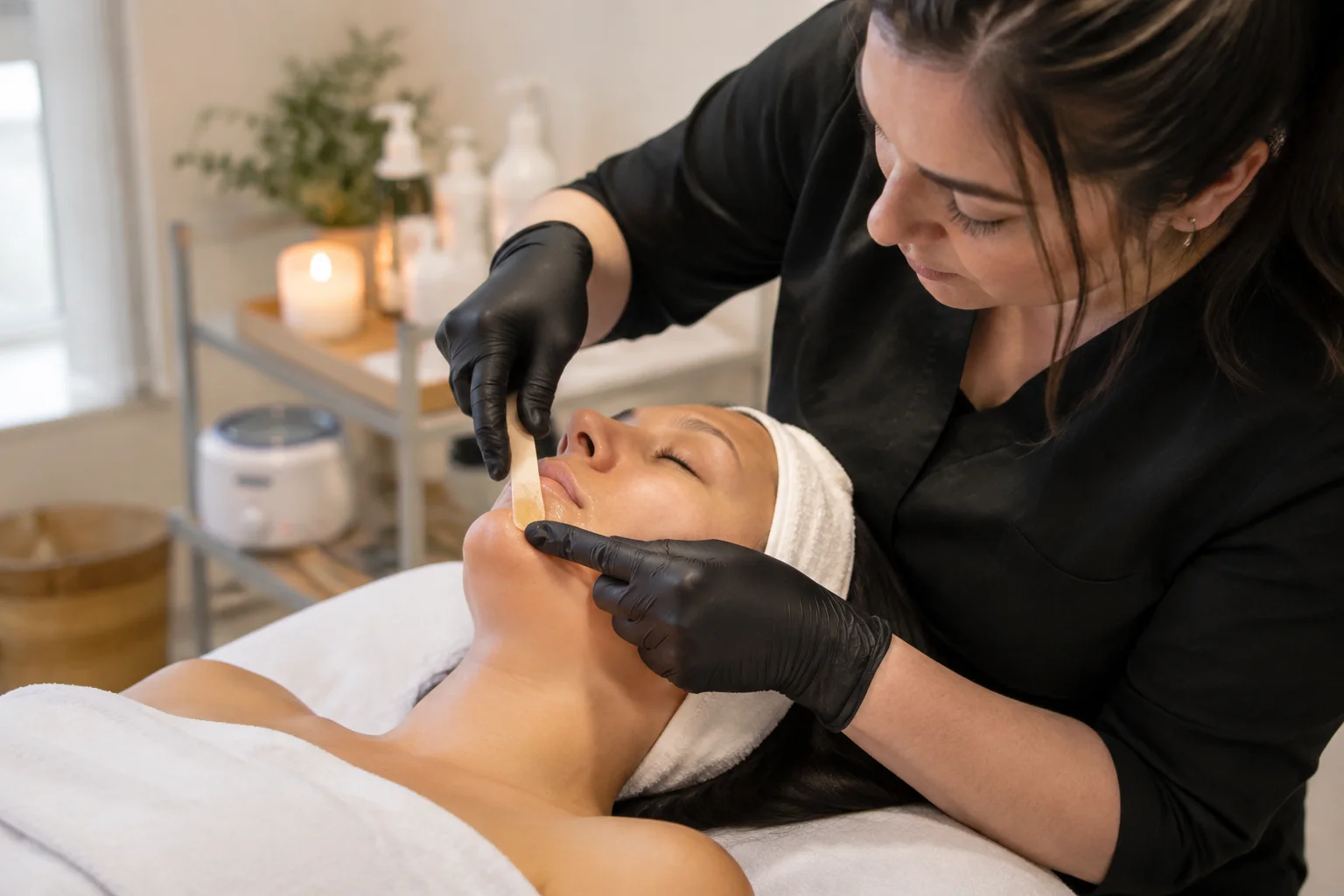
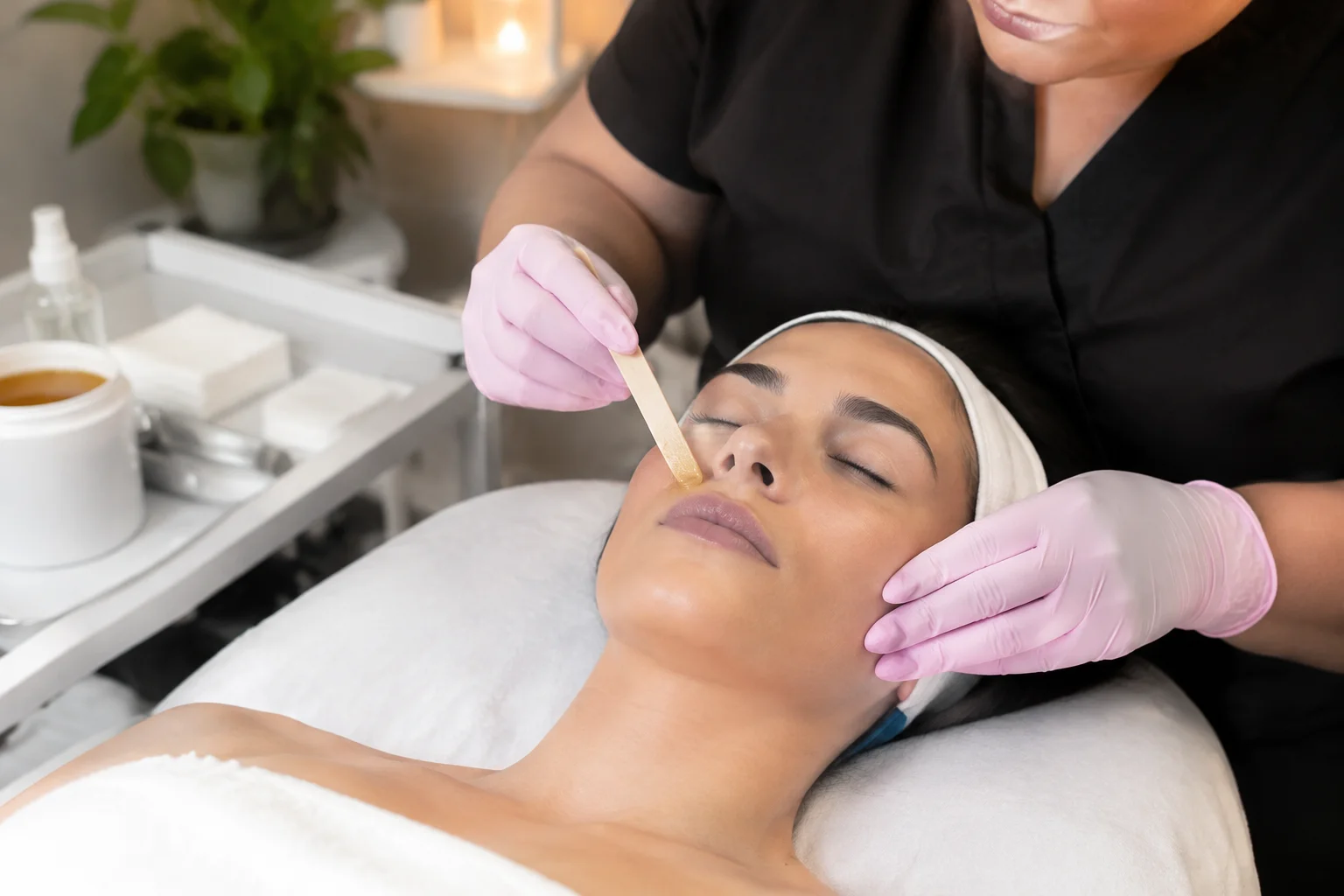
Sometimes a beauty goal is simple: less time checking for chin hairs, a smoother upper lip, or makeup that sits a little more evenly. You do not need a major change to appreciate a small service that makes your daily routine easier. Lip and chin waxing offers targeted hair removal for two areas that can feel surprisingly time-consuming to maintain at home.
For people in Tucson, AZ, the decision also involves skin comfort. Dry air, regular sun exposure, and active skincare products can affect how facial skin responds to waxing. At Heather's Luminous Esthetics, Lip & Chin Wax is an option for clients seeking smooth, polished-looking skin. Understanding preparation and aftercare helps you decide whether it fits your goals.
Small areas, meaningful everyday benefits
Upper lip and chin hair is normal. Removing it is a personal preference, not a requirement for healthy or attractive skin. If those hairs bother you, waxing can remove multiple hairs at once rather than requiring you to address each one with tweezers. Because wax removes hair from the root, results generally last longer than shaving, although individual growth patterns vary.
The benefit might be practical rather than dramatic. You may spend less time on daily touch-ups or notice that foundation applies more evenly where hair was removed. Waxing does not shrink pores, treat acne, or erase pigmentation. It also cannot guarantee perfectly smooth skin between visits. Its job is focused: removing unwanted hair from the upper lip and chin.
Match the service to the goal
If your concern is concentrated around your mouth and chin, a targeted service may make more sense than removing hair from your entire face. If you also want to address the cheeks or sideburn area, read about full face waxing in a Tucson skincare routine. More hair removal is not automatically better. The right scope depends on what you want and what your skin can comfortably tolerate.
Why Tucson skin needs a thoughtful approach
Tucson's desert climate can leave skin feeling tight or flaky, particularly when you move between outdoor heat and air-conditioned spaces. Waxing already involves pulling on the skin as hair is removed. When the skin barrier is irritated or compromised, that extra stress can increase discomfort and the chance of an unwanted reaction. Skin that looks dry deserves attention before a waxing appointment, not just afterward.
Sun exposure matters, too. A morning hike, an afternoon patio lunch, or time spent running errands around Pima County can add up. Sunburned skin should not be waxed, and skin that still feels tender after sun exposure needs time to recover. Tell your esthetician about recent outdoor time and any burning, peeling, or unusual sensitivity, even if the redness seems minor.
Hydration without overcomplicating your routine
A gentle cleanser and a moisturizer you already tolerate are useful starting points. There is no need to introduce several new products before waxing. If your skin is persistently cracked, inflamed, or stinging when you apply basic moisturizer, postpone hair removal and seek guidance. Drinking water supports general well-being, but it does not replace topical care for a dry or damaged skin barrier.
Is lip and chin waxing a good fit for you?
Waxing may suit adults who want temporary facial hair removal and have intact, comfortable skin in the treatment area. Both finer upper lip hair and coarser chin hair can be addressed, though very short hairs may not lift cleanly. Your hair texture, skin sensitivity, previous reactions, and current products all help determine whether waxing is appropriate on a particular day.
Share any history of eczema flares, cold sores, reactions to waxing products, or skin lifting during past appointments. Active cold sores, open cuts, inflamed lesions, and irritated patches should not be waxed. Conditions or medications that affect healing also deserve discussion. A consultation is an opportunity to identify reasons to adjust or delay treatment, rather than assuming everyone can follow the same plan.
Retinoids and exfoliating treatments need special attention
Prescription retinoids, over-the-counter retinol, exfoliating acids, and certain acne treatments can make waxing riskier by increasing skin sensitivity or fragility. Current or recent isotretinoin use requires particular caution. Tell your esthetician exactly what you use and when you last used it. Do not stop prescribed medication on your own; ask the prescribing clinician whether waxing is appropriate and what timing is safe.
Recent chemical peels, laser treatments, microneedling, and microdermabrasion also affect scheduling. If you are considering a Microdermabrasion Add-On, ask how it should be spaced from facial waxing rather than assuming both belong in one visit. The needed interval depends on the treatment, your skin's recovery, and professional guidance. Skin that appears calm on the surface may still need recovery time.
Preparing for your appointment
Give the wax enough hair to grip
Hair needs enough length for wax to catch it securely. Around one-quarter inch is a common waxing guideline, but facial hair and wax methods vary, so confirm the recommendation before your visit. Avoid shaving or tweezing immediately beforehand. If you have recently removed the hair, you may need to wait for enough regrowth rather than scheduling by the calendar alone.
Arrive with calm skin and useful information
Keep your routine simple in the days leading up to waxing. Skip aggressive scrubbing, avoid sunburn, and follow any product-specific instructions provided during consultation. Arriving with a clean face can be helpful, but do not skip daytime sunscreen just to keep the area product-free. Bring a list or photos of your skincare products if you are unsure which ingredients might matter.
Think about your schedule after the appointment as well. A first-time wax is better planned for a low-key day than immediately before a wedding, professional photos, or an outdoor celebration. Giving yourself several days before an important event leaves room to see how your skin reacts. If you have a history of lingering redness, discuss a longer buffer.
The appointment and your first results
Lip and chin waxing is a relatively quick service, although consultation, preparation, and finishing care add to the hair removal time. The area is cleansed, wax is applied in controlled sections, and hair is removed. Let your esthetician know if you feel excessive heat, unusual burning, or more discomfort than expected. Speaking up helps distinguish ordinary brief sensitivity from a reason to stop.
You can expect a short pulling sensation rather than a completely sensation-free treatment. Temporary redness, tenderness, or small bumps around the follicles can happen, especially with coarse hair or a first appointment. Some hairs may remain if they are too short or growing at different stages. Gentle technique aims to limit irritation, but no waxing service can promise that every client will have none.
Aftercare for dry air, heat, and sunshine
Keep the first day simple
For roughly the first 24 to 48 hours, or as directed by your esthetician, minimize friction, excessive heat, and heavy sweating. That may mean moving a strenuous workout or choosing a cool indoor activity instead of a midday desert hike. Avoid touching or picking at the area. Use lukewarm water, a mild cleanser, and a simple moisturizer that does not sting.
Wait until irritation has settled before applying makeup over the waxed areas, and follow your provider's advice about timing. Hold off on scrubs, exfoliating acids, and retinoids until your skin has recovered and you have appropriate guidance for restarting them. A cool, clean compress can ease mild discomfort. Ice should not be applied directly to freshly waxed skin.
Make sun protection part of the plan
Use a broad-spectrum SPF 30 or higher sunscreen that your skin tolerates, and reapply according to the label, especially outdoors. Shade and a wide-brimmed hat add useful protection during Tucson errands or patio time. If sunscreen stings on irritated skin, limit direct sun exposure and ask for guidance about a suitable product. Do not try to tan freshly waxed skin.
Mild redness often settles within several hours, though sensitivity can last longer. Contact your provider if your reaction is stronger or more persistent than expected. Blistering, raw skin, worsening pain, spreading redness, or signs of infection warrant medical advice. Do not treat a suspected burn or skin injury with exfoliants or another round of hair removal.
Maintenance that follows your hair growth
Many clients consider repeat facial waxing around every three to five weeks, but that is a starting point rather than a rule. Some notice returning hairs sooner because not every hair was in the same growth phase at the appointment. Others enjoy a longer smooth period. Your next visit should reflect sufficient regrowth, skin comfort, and how much visible hair bothers you.
Waxing is not permanent hair removal, and it does not reliably make all hair grow back finer. Regrowth can feel different from the blunt edge left by shaving, but hormones and genetics still influence density and texture. If facial hair suddenly increases or appears alongside other health changes, discuss it with a healthcare professional. Waxing manages visible hair, not its underlying cause.
Build a beauty routine around your priorities
Personalized care means considering more than the treatment area. A client using prescription acne medication needs different planning from someone with an uncomplicated routine. A frequent outdoor runner may need different appointment timing from someone heading home afterward. Your esthetician should know what you want, what you use on your skin, and what has happened with previous hair removal.
If grooming your brows is another priority, explore Eyebrow Wax and discuss whether combining services makes sense for your skin. The article Good Brows, Less Guesswork offers another perspective on targeted facial grooming. You can also read Small Detail, Personal Care for more on lip and chin waxing locally.
When searching for lip and chin wax near you in Tucson, look beyond convenience to clear preparation advice and attention to your skin history. Explore Lip & Chin Wax at Heather's Luminous Esthetics and ask about suitability before scheduling if you have sensitivities or recent treatments. A useful beauty service should make upkeep easier while respecting the skin underneath.
Book Lip & Chin Wax in Tucson, AZ
If you are looking for Lip & Chin Wax in Tucson, AZ, visit our service page or contact us to schedule your appointment.
Serving Clients in Tucson, AZ
Heather's Luminous Esthetics proudly serves clients throughout Tucson, AZ.
Frequently Asked Questions
How long do lip and chin waxing results last?
Can I get my upper lip and chin waxed if I use retinol?
How should I care for freshly waxed skin in Tucson?
Related Articles
Article Gallery