A few upper lip hairs or a patch of chin growth can be a small detail that takes up more time than you would like. Maybe you tweeze every morning, notice foundation catching on facial hair, or simply prefer a smoother feel. Lip and chin waxing offers focused hair removal without treating areas you want to leave alone.
At Heather's Luminous Esthetics, the Lip & Chin Wax service in Tucson, AZ focuses on these two areas. The most useful approach considers more than where hair grows. Your skin condition, products, sensitivity, schedule, and time outdoors all matter, especially in Tucson's sunny, dry climate.
Customization starts with your goal, not the wax
One person wants less visible upper lip hair. Another has scattered, coarse chin hairs that feel bothersome between shaving sessions. Someone else wants smoother makeup application before an event. These goals may share a service, but they do not necessarily call for identical treatment boundaries, timing, or maintenance.
Fine upper lip hair and coarser chin growth
Upper lip hair is often finer than chin hair, although everyone's growth pattern differs. Fine hair may be noticeable mainly in bright light, while coarse strands can feel prominent soon after shaving. An esthetician can assess whether the hair is long enough to grip and whether waxing is appropriate for the surrounding skin.
Personalization can include defining the area to treat, working in smaller sections, and avoiding compromised spots. It also means recognizing when not to keep going. Repeated waxing over the same delicate area can increase irritation, so removing every last strand should never take priority over protecting the skin.
Smoothness without changing your whole routine
You do not need a full facial hair removal plan to address your lip and chin. Targeted waxing can suit someone who likes their natural facial hair elsewhere or wants a manageable first waxing experience. If you are weighing broader coverage, A More Personal Approach to Full Face Waxing in Tucson offers another perspective on choosing treatment areas.
What lip and chin waxing can realistically do
Waxing removes hair from the root rather than cutting it at the skin's surface. That usually means a longer smooth interval than shaving, although individual growth cycles affect the result. It can also reduce the daily work of checking and removing individual hairs.
Some clients find that makeup applies more evenly when hair is removed. The skin may feel smoother, too. These are cosmetic benefits, not a treatment for acne, pigmentation, or uneven skin texture. Waxing should not be treated as a substitute for a facial or a pigment-focused skincare plan.
Results are temporary. Waxing does not permanently stop growth, and it does not make hair grow back thicker. Regrowth may feel different from the blunt edge left by shaving, but finer or sparser growth is not guaranteed. A first visit may also leave a few hairs that were too short to capture safely.
Is your skin ready for waxing?
Many people with healthy, intact skin can consider lip and chin waxing. Sensitive skin does not automatically rule it out, but the reason for sensitivity matters. Occasional dryness is different from an active rash, sunburn, or a reaction to a new product. A consultation helps determine whether to proceed, modify the area, or wait.
Products and prescriptions need a conversation
Tell your esthetician about prescription and over-the-counter retinoids, exfoliating acids, acne treatments, and recent professional procedures. Products such as tretinoin, adapalene, and retinol can increase the risk of skin lifting with wax. Oral isotretinoin is particularly important to disclose, including recent use. Waxing may need to be avoided according to medication guidance and your prescriber's advice.
There is no single product pause that safely fits every formula or every person. Ask for instructions before your appointment, and do not stop a prescribed medication on your own. Also mention medications or conditions that affect bruising or healing. If waxing is not suitable, ask about another hair removal approach.
When postponing is the better choice
Wait if the area is sunburned, peeling, cracked, or affected by open skin, an active cold sore, or an irritated rash. Inflamed acne lesions should not be waxed over. Recent peels, laser treatments, or other resurfacing procedures may also require a delay. A small test area may sometimes help assess tolerance, but it cannot guarantee that a full treatment will be irritation-free.
New or rapidly increasing coarse facial hair is worth discussing with a healthcare professional, especially alongside other changes such as irregular menstrual cycles. Waxing can manage visible hair, but it cannot identify or address a hormonal cause.
Why Tucson's climate belongs in the plan
Across Tucson and Pima County, dry air and strong sun exposure can complicate otherwise simple skincare decisions. Skin that already feels tight or flaky may tolerate waxing poorly. Before booking, consider how your skin has felt lately, not just whether your calendar has an opening.
Outdoor plans matter as well. An afternoon hike, a long bike ride, or time beside the pool can bring sun, heat, sweat, and friction to freshly waxed skin. Schedule around those activities when possible. Waxing before a quiet evening indoors is generally easier to manage than squeezing it in before an outdoor workout.
For sun protection, use shade and a wide-brimmed hat along with a gentle, broad-spectrum SPF 30 or higher sunscreen that your skin tolerates. Reapply according to the label. Avoid deliberate tanning before and after waxing, and tell your esthetician if even your usual moisturizer or sunscreen has started stinging.
Preparing for your appointment
Give the hair enough length to grip
Very short stubble may not lift effectively. Hair often needs to be around one-quarter inch long for waxing, although the workable length depends on the hair and wax used. Facial hair can be difficult to judge, so ask for guidance rather than assuming you need to trim it.
Avoid shaving, tweezing, or using a depilatory cream immediately before your visit. If you currently shave, tell the provider when you last did so. The number of days needed for usable growth varies, especially when fine upper lip hair and coarse chin strands grow at different rates.
Keep skincare gentle and share your routine
Arrive with clean skin if practical, without heavy makeup around the treatment area. Avoid scrubbing or trying a strong new exfoliant to prepare. Follow the provider's individualized guidance about active ingredients, and bring product names or photos if you are unsure what your routine contains.
Tell your esthetician about past waxing reactions, allergies, and any history of lingering dark marks after irritation. If you have an important event, avoid making your first appointment the day before. Leave several days or more to see how your skin responds, and allow a larger buffer if redness tends to last.
What happens during a lip and chin wax
The visit should begin with a brief discussion of your goals, skincare, and relevant health history, followed by a look at the skin and hair. This is your chance to point out exactly what bothers you and identify any areas you do not want treated.
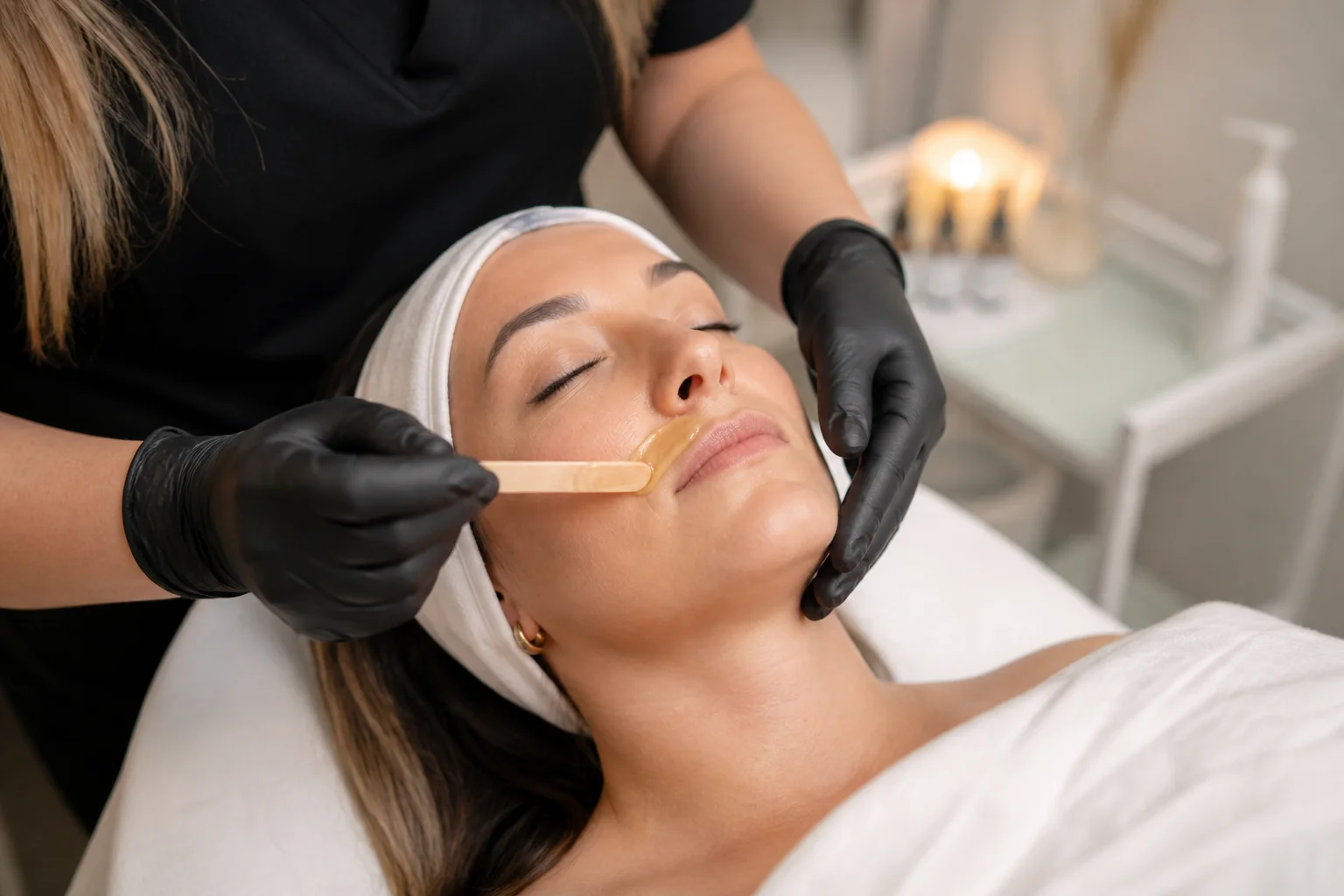
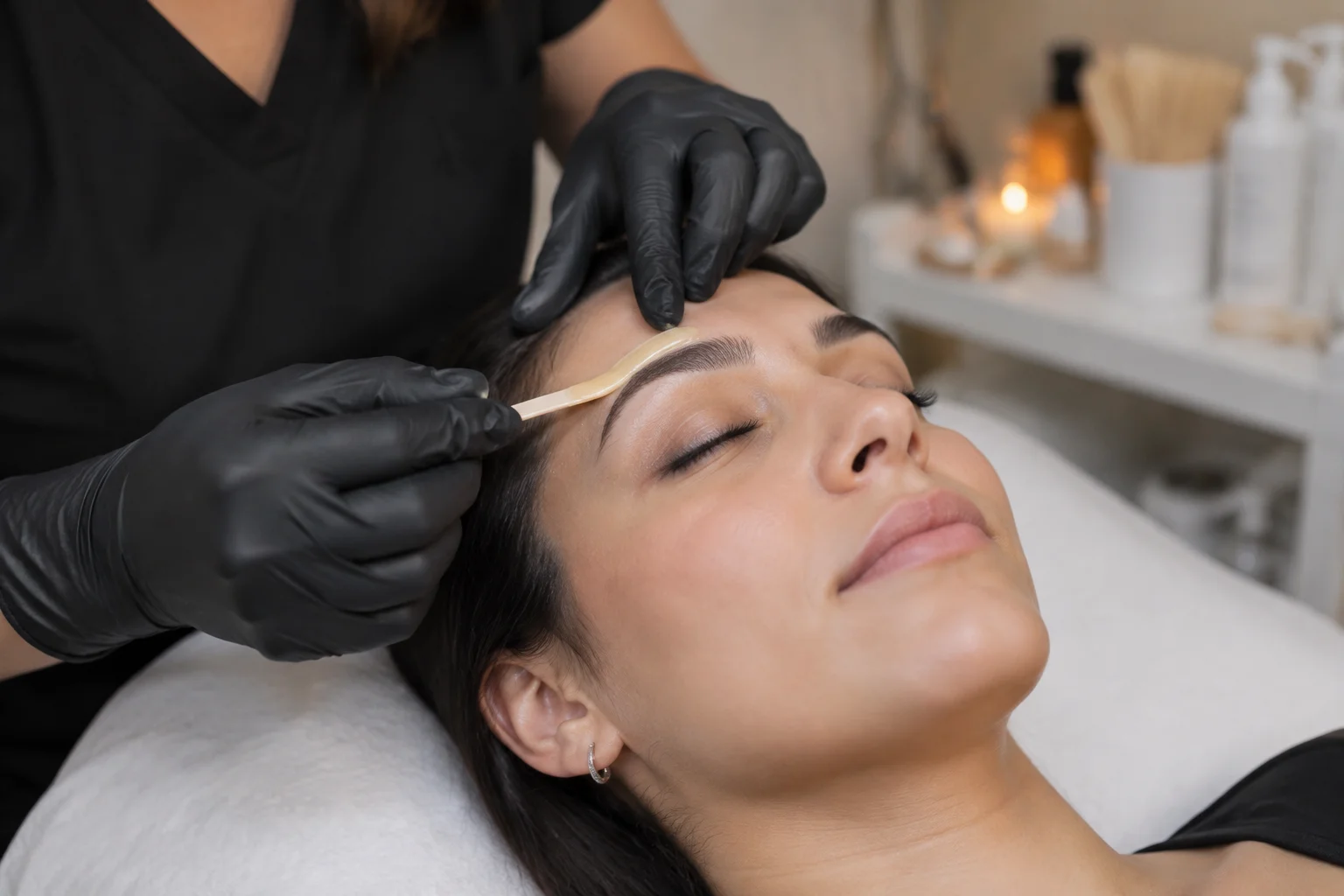
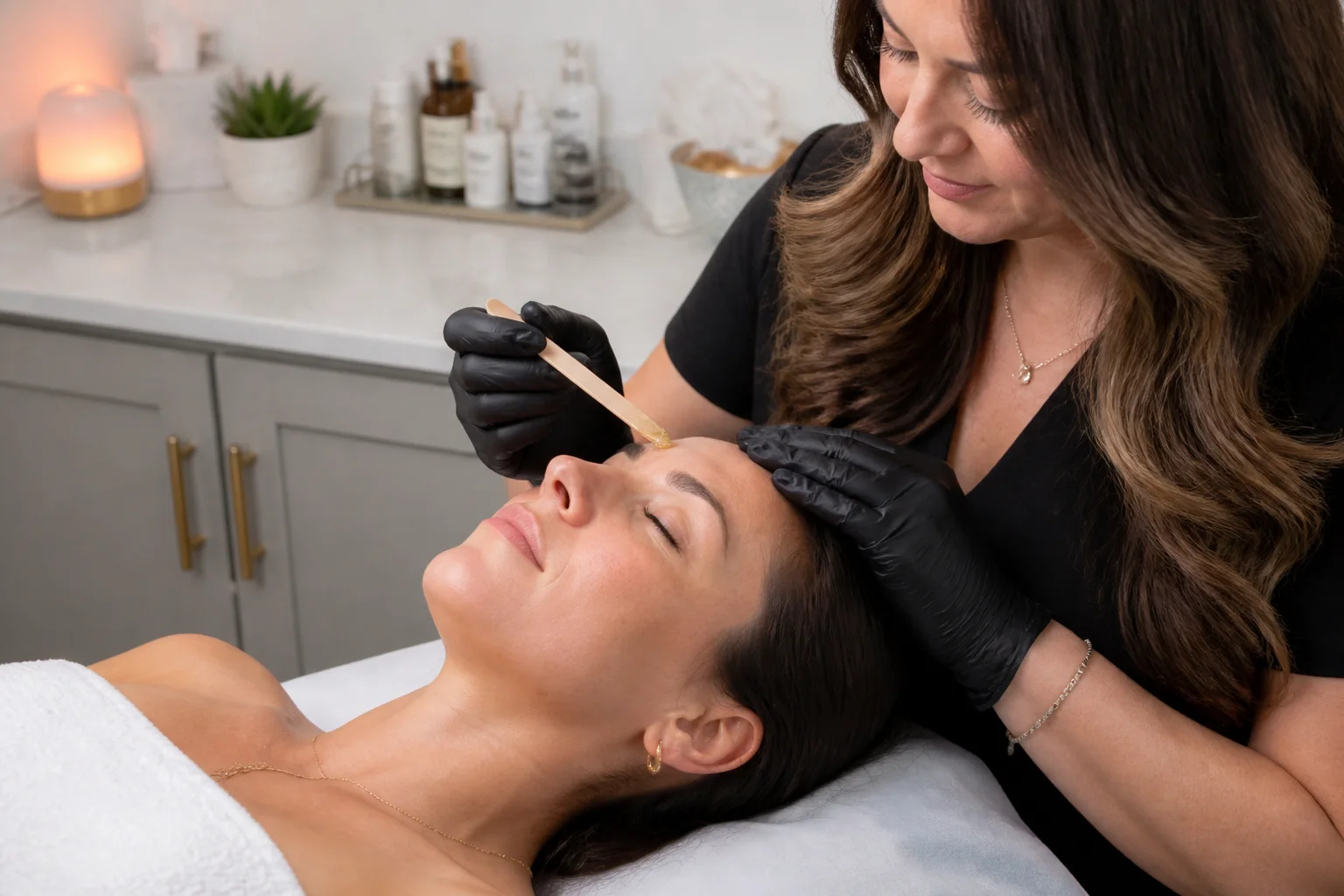
The treatment area is cleansed and prepared, then wax is applied and removed in controlled sections. You can expect a brief pulling or stinging sensation with removal. The upper lip can feel especially sensitive. A quick service is not necessarily painless, and you should speak up if the sensation feels unusually hot, intense, or persistent.
Afterward, the provider checks the area and may apply an appropriate soothing product. Ask how long to set aside when booking rather than assuming every visit takes the same amount of time. Consultation, skin assessment, and your hair pattern can affect the appointment.
Aftercare for the first day or two
Mild redness, tenderness, or small bumps around hair follicles can occur after waxing. These often settle within several hours, but some skin takes a day or two. Persistent redness should not be dismissed just because the service covers a small area.
Reduce heat, friction, and extra products
For roughly the first 24 to 48 hours, or as your provider advises, avoid hot tubs, saunas, very hot water on the area, and sweaty workouts. Keep hands away from the skin, and do not pick at bumps. If a mask, helmet strap, or other item rubs your chin, minimize that friction while the area is tender.
Use a gentle cleanser and a simple moisturizer you already tolerate. Avoid fragranced products, scrubs, exfoliating acids, and retinoids on the treated area until your skin has recovered and you have followed the relevant product and provider guidance. Give makeup a break immediately afterward if possible. If you must wear it, ask when it is appropriate and use clean tools.
Know when a reaction needs attention
Skin lifting, blistering, severe pain, spreading redness, pus, or worsening swelling are not routine aftercare issues. Contact the provider and seek medical advice when appropriate. If irritation tends to leave darker marks, avoiding additional inflammation and protecting against sun exposure are particularly important.
Finding a maintenance rhythm that fits your growth
Many clients consider appointments around every three to four weeks, but that is a starting point, not a rule. Noticeable regrowth can appear sooner because hairs are in different growth phases. Upper lip and chin growth may not stay synchronized, so your schedule should reflect sufficient hair length and healthy skin rather than a fixed calendar.
If possible, avoid tweezing between visits when you want a more consistent waxing schedule. Removing individual hairs changes what will be available to wax next time. If a few chin hairs become bothersome earlier than the rest, discuss how to manage them without repeatedly treating skin that is still recovering.
Track how long redness lasts, when regrowth becomes noticeable, and which aftercare products feel comfortable. Those details make future appointments easier to personalize. Your own response is more useful than someone else's promise of a specific number of hair-free weeks.
Fitting waxing into your larger skincare plan
Coordinate facial hair removal with other exfoliating treatments. A Dermaplane Add-On also involves surface exfoliation and hair removal, so it should not automatically be stacked with waxing over the same area. Ask which approach better suits your goals and how to space treatments safely.
If dark spots are a separate concern, discussing a service such as the 5 Berry Pigment Peel does not mean it belongs in the same appointment as waxing. Suitability and spacing require their own assessment. More treatment is not always better, particularly when desert dryness has already left your skin uncomfortable.
For those comparing targeted waxing with broader facial hair removal, A Smoother Canvas in the Desert explores full face waxing in Tucson. Start with the areas you actually want to address, and let skin tolerance guide any expansion.
When you contact Heather's Luminous Esthetics about lip and chin waxing, share your current products, your last hair removal method, and any upcoming outdoor plans or events. Those few details help shape a practical conversation about timing, comfort, and care that fits your life in Tucson.
Book Lip & Chin Wax in Tucson, AZ
If you are looking for Lip & Chin Wax in Tucson, AZ, visit our service page or contact us to schedule your appointment.
Serving Clients in Tucson, AZ
Heather's Luminous Esthetics proudly serves clients throughout Tucson, AZ.
Frequently Asked Questions
How often should I book lip and chin waxing in Tucson?
Can I get my lip and chin waxed if I use retinol or prescription acne treatments?
Can I go hiking or swimming after a lip and chin wax?
Related Articles
Article Gallery