If your foundation catches on fine facial hair or your cheeks feel rough despite regular moisturizing, dermaplaning may be worth discussing at your next facial. This treatment removes surface buildup and peach fuzz, leaving skin that can feel smoother without changing your entire skincare routine.
At Heather's Luminous Esthetics, the Dermaplane Add-On in Tucson, AZ is offered as an addition to a facial. For first-time clients, the important questions are practical: Is it appropriate for your skin, how should you prepare, and what will your face need afterward in Tucson's dry, sunny climate?
What a dermaplane add-on actually does
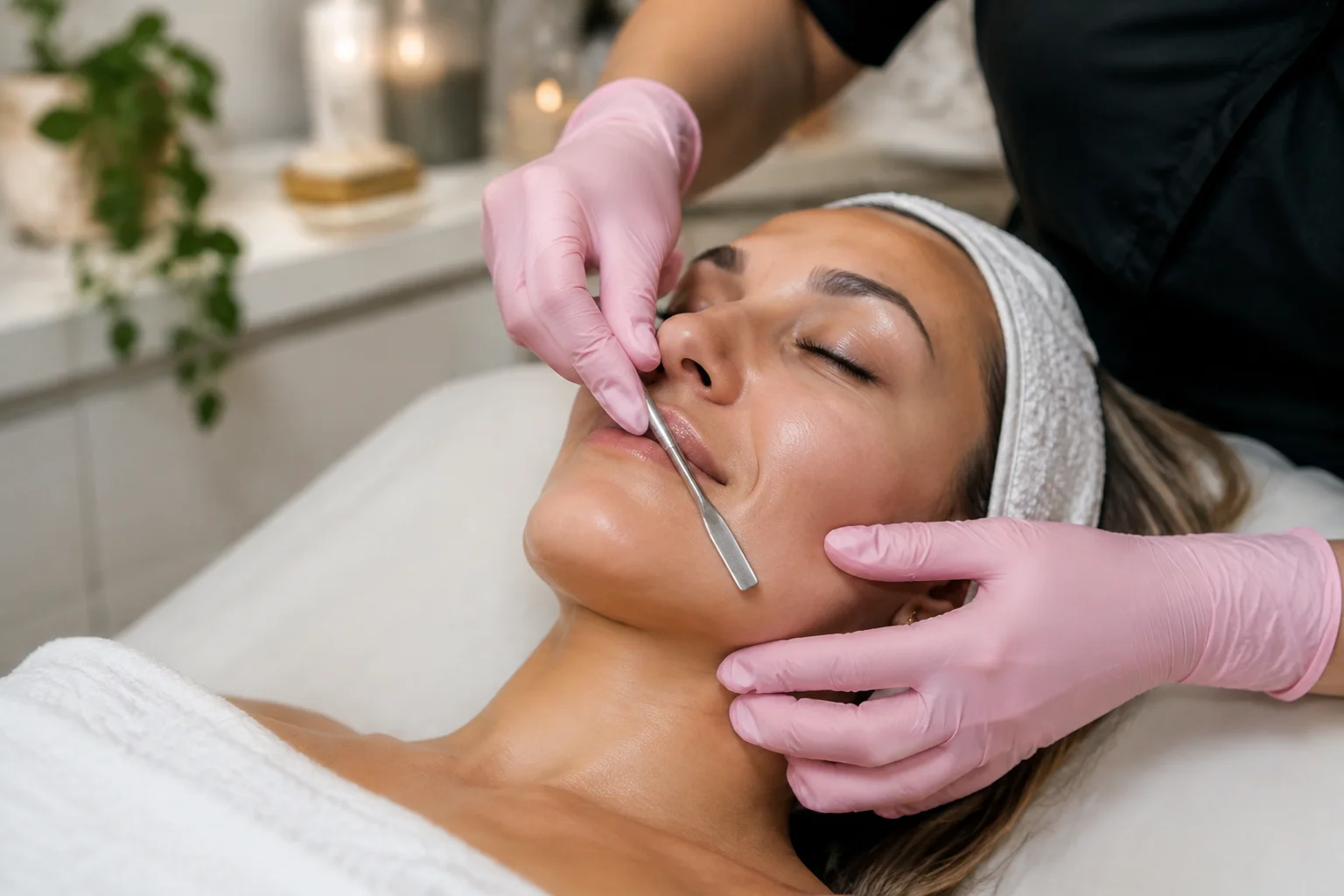
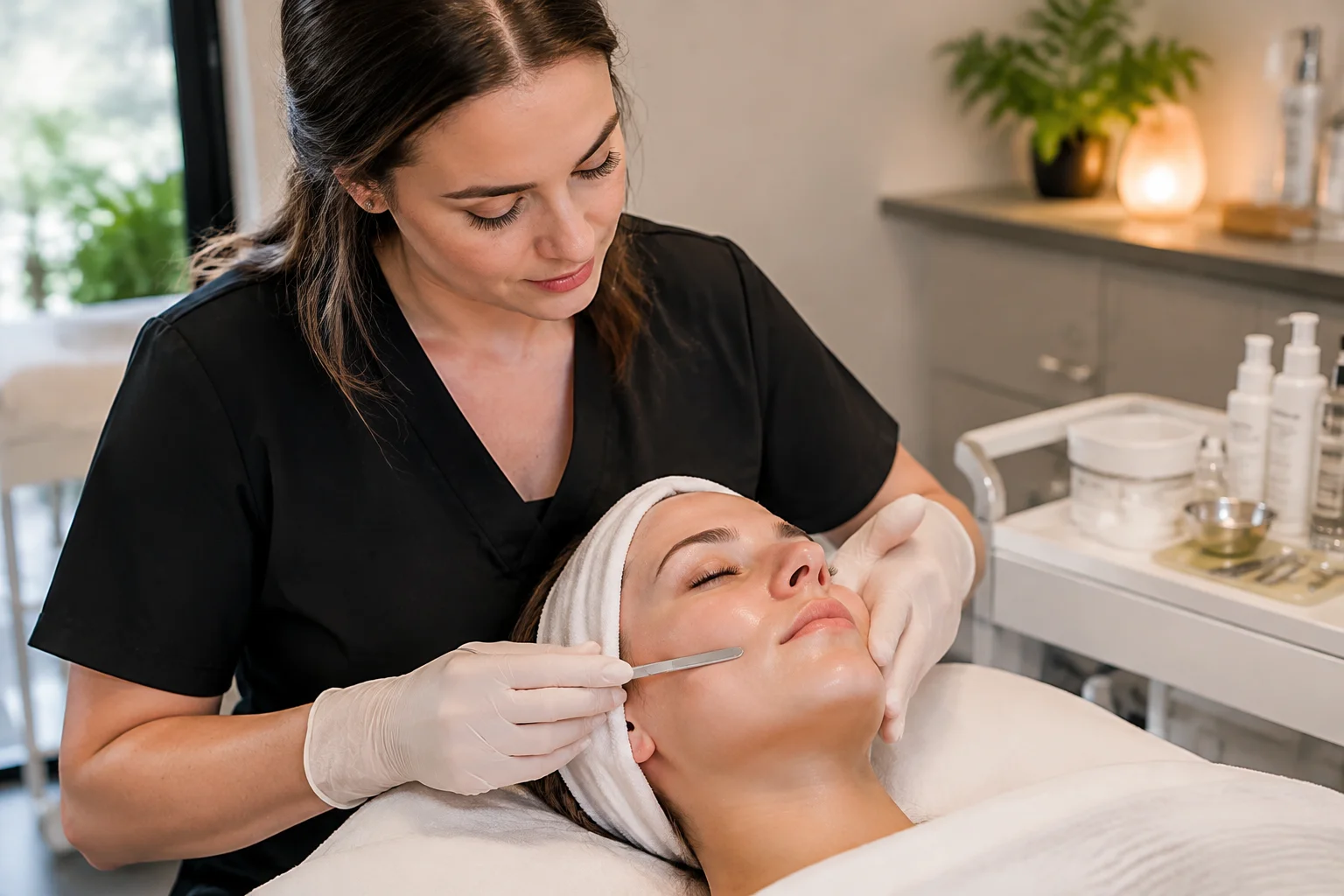
Dermaplaning is a form of physical exfoliation. An esthetician uses a specialized blade with controlled, light strokes to remove dead cells from the skin's surface along with fine vellus hair, commonly called peach fuzz. It is not the same as a chemical peel, and it does not treat deeper scars or remove coarse hair permanently.
As an add-on, dermaplaning becomes one part of your facial rather than a separate skincare plan. Your provider can consider your skin's condition when choosing the surrounding cleansing, hydration, and finishing steps. Although the service is available to add to a facial, suitability still depends on your skin that day.
Why removing peach fuzz changes how skin feels
Fine facial hair is normal and does not need to be removed for healthy skin. Some people simply prefer the feel or appearance of less fuzz. Removing it, along with surface buildup, can make the face feel noticeably silkier and help makeup sit more evenly. Others notice a subtler difference, especially if they already exfoliate regularly.
The benefits, with realistic expectations
The most direct benefits are smoother surface texture and temporary removal of peach fuzz. Skin may look brighter because there is less dull surface buildup, and foundation may be less likely to cling to fine hair. These are cosmetic improvements, not a promise of poreless skin or a completely different complexion.
Removing dead surface cells may also help some skincare products spread and absorb more readily. That does not mean stronger products are better afterward. Freshly exfoliated skin can be more easily irritated, so a simple moisturizer may be more useful than an active serum. Dermaplaning does not replace hydration, sunscreen, or treatment for an underlying skin condition.
If your main concern is deep acne scarring, persistent pigmentation, or significant wrinkles, discuss those goals separately. Dermaplaning alone is unlikely to provide the change you want. For another look at its everyday cosmetic benefits, read how a dermaplane add-on can change the way Tucson skin looks and feels.
Why Tucson's climate matters to your treatment plan
Living in Tucson often means balancing dry air, strong sun exposure, and indoor cooling. Even skin that looks shiny can feel tight or lack hydration. When roughness is caused partly by dryness, removing surface cells is only one piece of the solution. Your facial and home routine still need to support moisture and comfort.
Your daily schedule matters, too. A shaded commute is different from an afternoon hiking in the Catalina foothills or watching an outdoor game. Tell your esthetician about upcoming outdoor plans so treatment timing and aftercare fit your actual life. Across Pima County, sun protection deserves attention year-round, not only during the hottest months.
Who may be a good candidate?
Dermaplaning may suit adults who want temporary peach fuzz removal, a smoother makeup base, or gentle surface exfoliation when their skin is otherwise calm. It can be considered across a range of skin tones, but technique and individual assessment matter. Anyone prone to dark marks after irritation should mention that history before treatment.
When waiting or choosing another approach makes sense
Active inflamed acne, open areas, cold sores, sunburn, and an irritated skin barrier can make dermaplaning inappropriate until the skin has recovered. An eczema or rosacea flare also deserves caution. The blade should not pass over compromised skin, and some clients will do better skipping dermaplaning entirely rather than trying to work around widespread inflammation.
Share recent peels, laser treatments, prescription skincare, isotretinoin use, and any condition or medication that affects healing. Do not stop prescribed medication on your own. Your esthetician may recommend postponing treatment or getting guidance from your prescribing clinician. A personalized recommendation is more valuable than assuming every exfoliating service suits every face.
Preparing for your first appointment
Before booking, describe your goals and current routine, including retinoids, exfoliating acids, scrubs, and at-home hair removal. Ask which products to pause and for how long. There is no single preparation schedule that fits every product strength or skin type, so use the instructions provided for your appointment rather than copying someone else's routine.
Keep your skin comfortable in the days beforehand. Avoid trying a new peel, aggressively scrubbing flaky areas, or shaving your face right before the visit. Tell your provider about recent facial waxing or depilatory use. If you arrive sunburned, unusually sensitive, or with a new rash, speak up so the plan can be adjusted.
Plan around events without cutting it too close
If you are considering dermaplaning before wedding photos, a graduation, or another Tucson event, avoid making your first appointment the day before. Allow a buffer of several days or more, based on your provider's advice and your skin history. Trying it well before an important date gives you a chance to learn how your skin responds.
What happens during the facial
Your appointment should begin with a conversation about skin concerns, recent treatments, and products. The treatment area is cleansed and prepared before the esthetician uses controlled strokes while supporting the skin. You may notice a light scraping sensation. Dermaplaning should not feel sharply painful, and you should say something immediately if it does.
The exact sequence depends on the facial and your skin's needs. Hydrating or soothing steps may follow, with daytime sun protection as appropriate. Ask about the added appointment time when booking, since facial length and treatment combinations vary. You do not need to guess which steps belong together; that is part of the consultation.
The first few days: keep aftercare simple
Many people return to ordinary daily activities afterward, but little downtime does not mean no aftercare. Temporary pinkness, tenderness, or a slightly sensitive feeling can occur. Your provider's instructions should guide when to resume makeup, active ingredients, and other treatments. If skin feels uncomfortable, avoid covering that discomfort with more products.
Hydration and sun protection come first
Use a gentle cleanser and a moisturizer suited to your skin. Avoid scrubs and additional exfoliation until your provider says it is appropriate. Apply broad-spectrum SPF 30 or higher every day, reapply as directed, and use shade and a hat outdoors. Sunscreen remains important even when you are not planning a full day outside.
In Tucson's dry air, check how your skin feels after washing rather than assuming your usual routine is enough. Tightness may call for a gentler cleanse or a more supportive moisturizer. Avoid picking at flakes, and ask before returning to heat-heavy activities if your skin is still flushed or sensitive.
Contact your provider if irritation is increasing rather than settling. Significant swelling, blistering, spreading redness, or signs of infection deserve medical attention. These are not results to push through in pursuit of smoother skin. Although dermaplaning is generally well tolerated when appropriate, it still carries risks such as irritation, small cuts, and infection.
How long results last and when to return
The smoother feel is often noticeable soon after treatment, while any temporary redness may take longer to settle. Results gradually fade as surface cells accumulate and fine hair grows back. Dermaplaning does not change the number of hair follicles, so peach fuzz does not grow back thicker or darker because it was removed.
Maintenance is often discussed at intervals of roughly four to six weeks, but that is a starting point, not a rule. Your skin's response, other exfoliating products, and preferred results should determine timing. Some people choose occasional treatments rather than regular appointments. More frequent exfoliation is not automatically better and can leave skin irritated.
Between visits, consistency usually matters more than adding steps. Gentle cleansing, suitable moisturizer, and daily sun protection help maintain comfort. For ideas about keeping your routine manageable, explore the appeal of dermaplane add-ons in a smoother Tucson skincare routine.
Choosing among facial add-ons
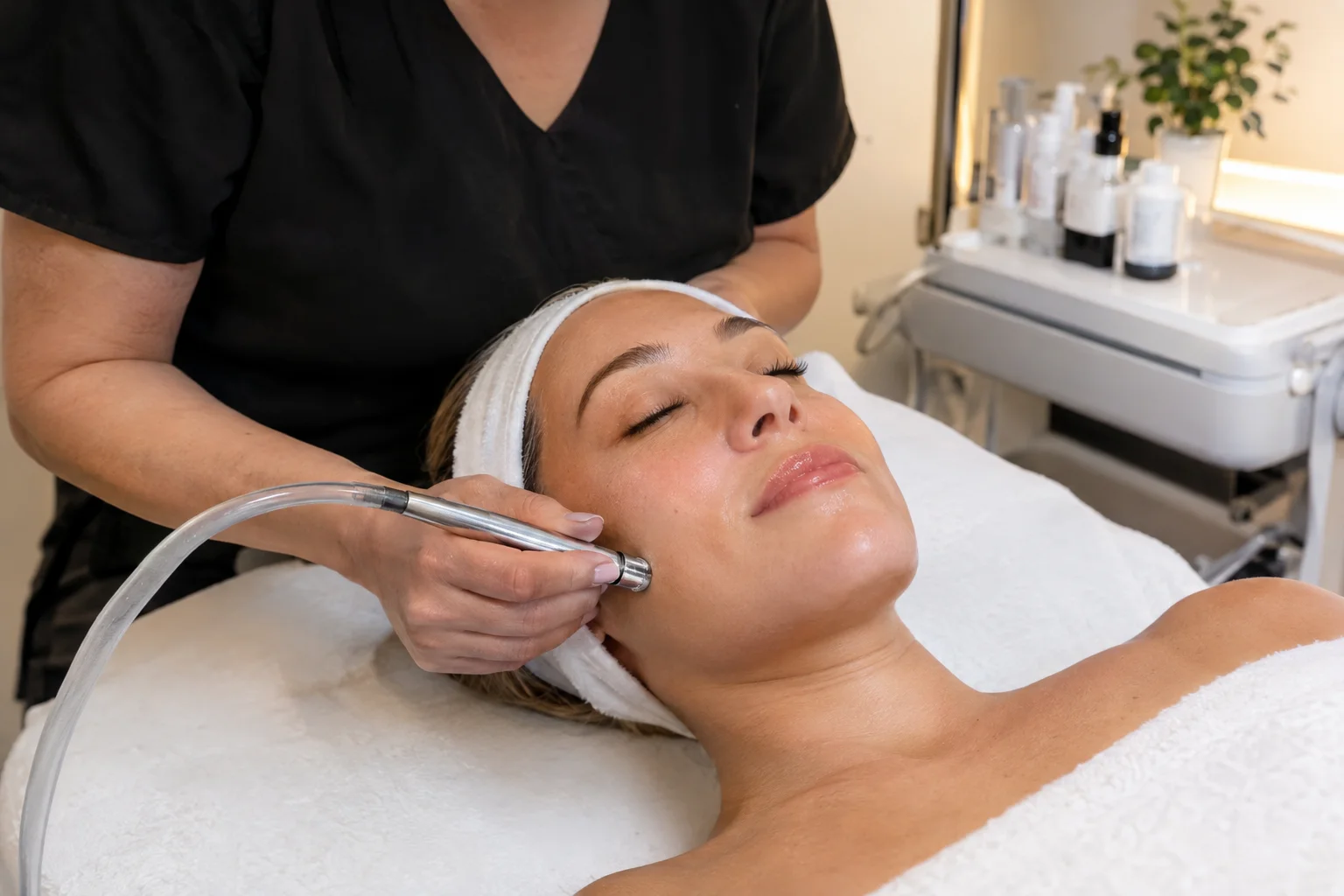
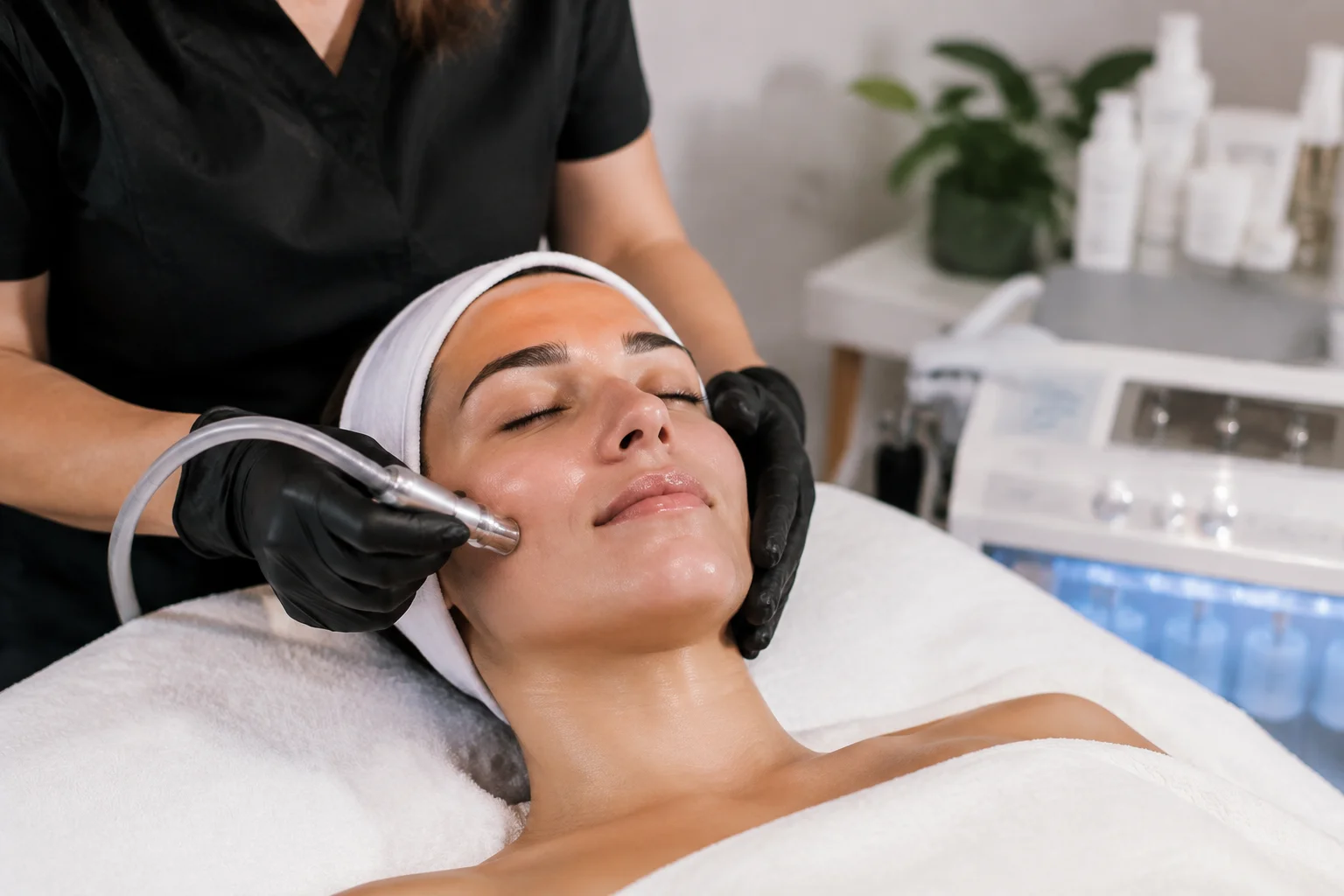
If you are comparing dermaplaning with a Microdermabrasion Add-On, remember that both exfoliate, but they use different methods. Dermaplaning also removes peach fuzz; microdermabrasion is not a facial hair removal service. The better option depends on your skin, your priorities, and how much exfoliation your current routine already provides.
A 15% TCA Chemical Peel is a different treatment with its own candidacy, preparation, and recovery considerations. It should not be treated as an interchangeable upgrade or automatically combined with dermaplaning. Ask which approach addresses your concern with an appropriate level of irritation risk.
A first visit built around your skin
When searching for a dermaplane add-on near you in Tucson, look beyond the promise of instant glow. A useful consultation connects the service to your skin history, outdoor exposure, budget, and willingness to maintain results. You should feel comfortable asking why a treatment is recommended and whether waiting would be better.
At Heather's Luminous Esthetics, you can explore the Dermaplane Add-On service and discuss adding it to your facial. Bring your product list and your real priorities, whether that means smoother makeup, less noticeable fuzz, or a softer feel. The right plan should leave room for both your goals and your skin's limits.
Book Dermaplane Add-On in Tucson, AZ
If you are looking for Dermaplane Add-On in Tucson, AZ, visit our service page or contact us to schedule your appointment.
Serving Clients in Tucson, AZ
Heather's Luminous Esthetics proudly serves clients throughout Tucson, AZ.
Frequently Asked Questions
Will dermaplaning make my facial hair grow back thicker?
How often should I book a dermaplane add-on in Tucson?
Can I have dermaplaning if my skin is dry or acne-prone?
Related Articles
Article Gallery