Some days, your skin feels rough even after moisturizer. Other days, the same products sting, and exfoliation is the last thing your face needs. That difference matters when choosing a facial upgrade, especially in Tucson, where dry air and regular sun exposure can make skin feel different from week to week.
A microdermabrasion add-on should serve a specific purpose, not simply make a facial sound more complete. At Heather's Luminous Esthetics, the service uses diamond-tip microdermabrasion to gently buff away dull surface skin. The useful question is whether that extra exfoliation fits your skin today, your goals, and the care you can give it afterward.
A facial upgrade with a specific job
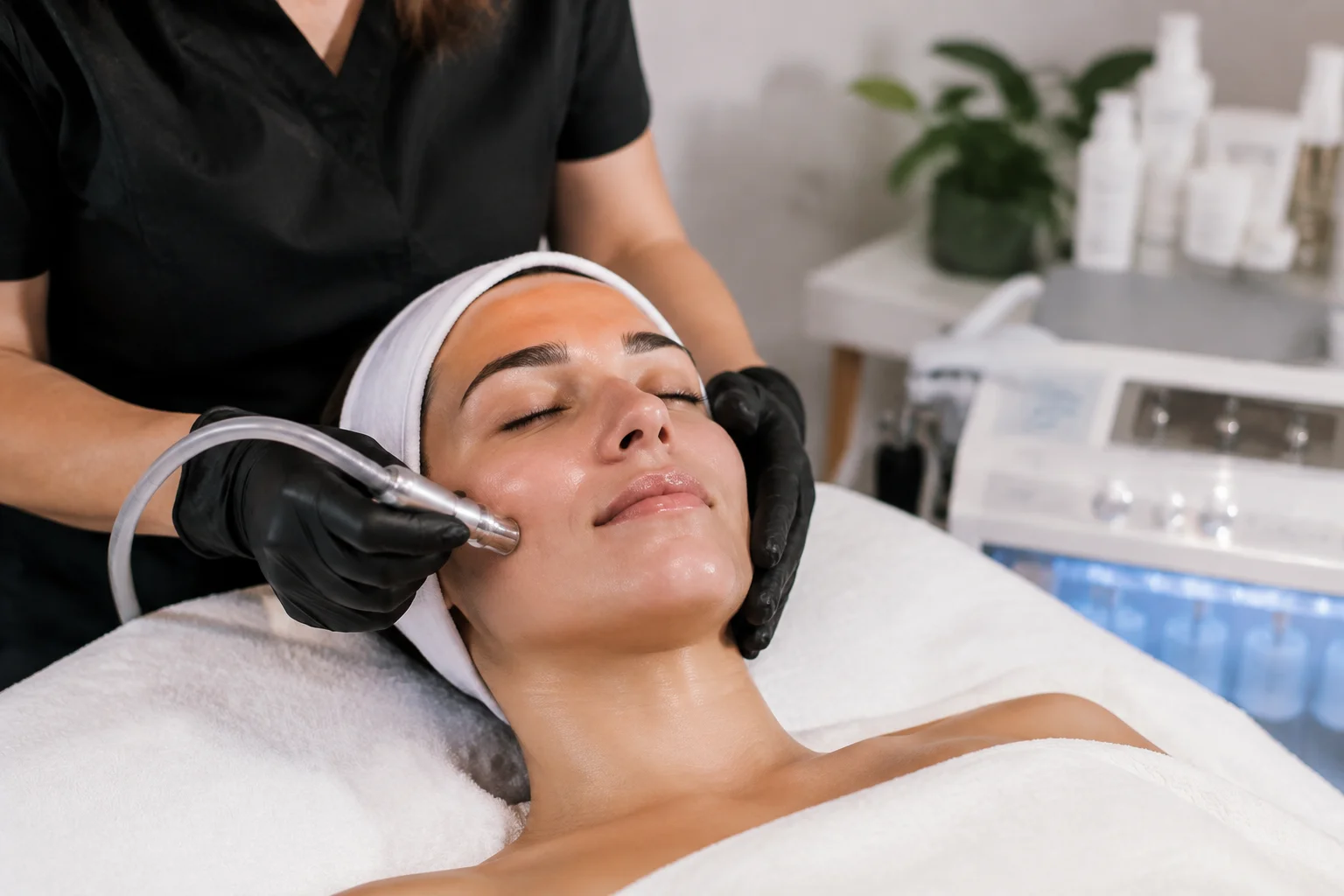
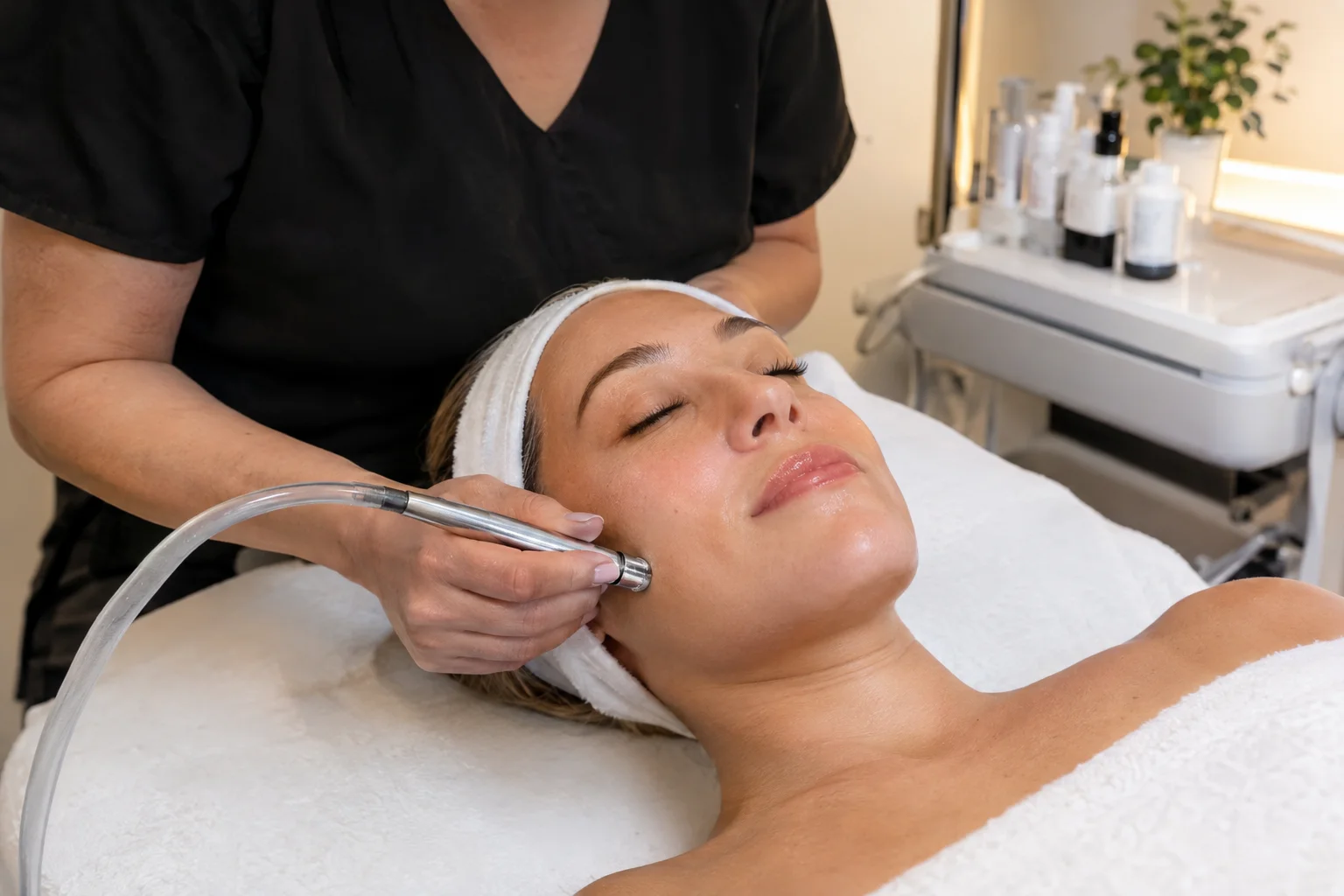
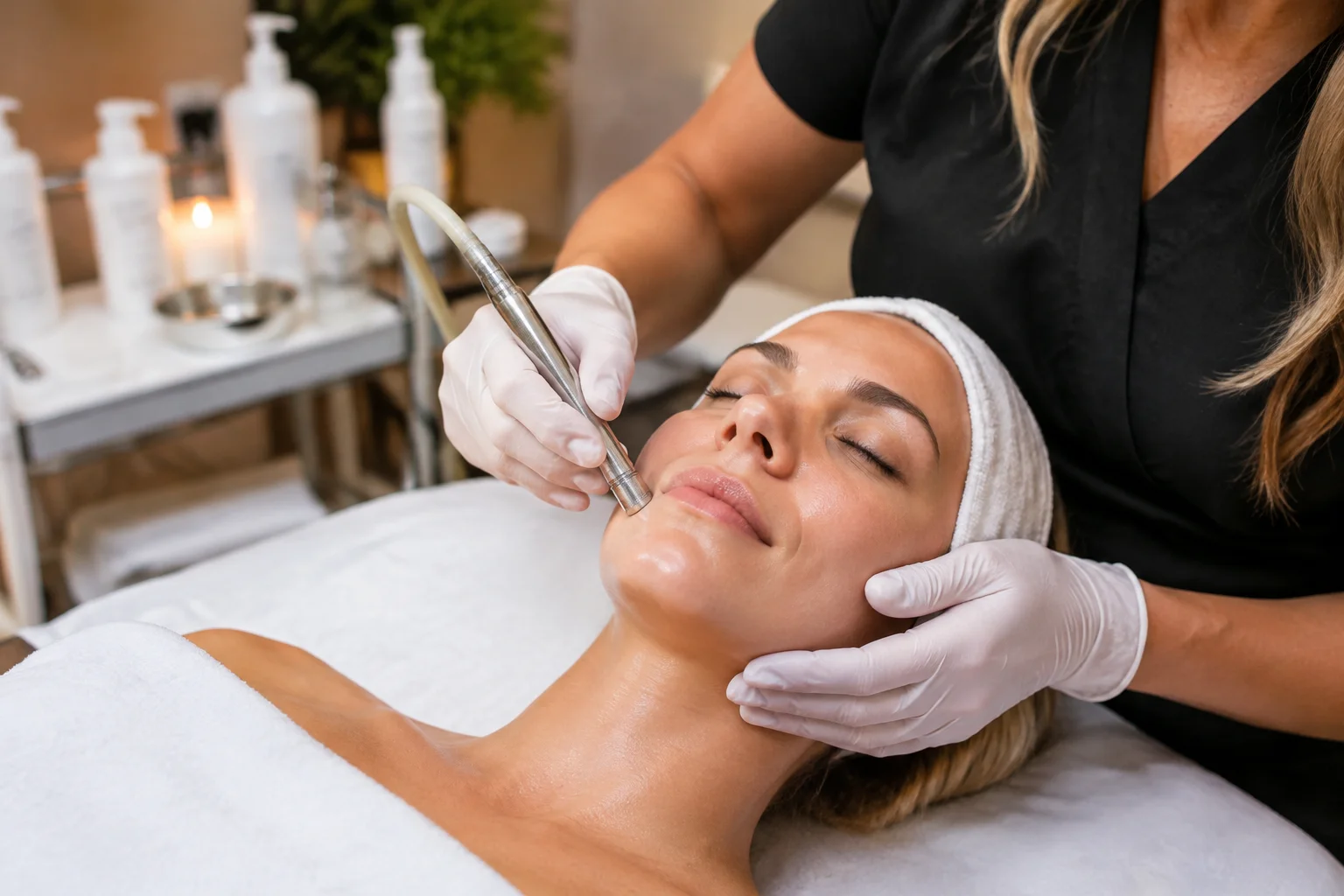
Microdermabrasion is a form of physical exfoliation. A textured diamond tip moves across the skin to remove some of the outermost dead skin cells, typically with suction helping collect the loosened material. This is a surface treatment, not the deeper procedure known as dermabrasion.
The Microdermabrasion Add-On at Heather's Luminous Esthetics is offered as an addition to a facial. Its role is to provide extra exfoliation that may leave suitable skin feeling smoother and looking more radiant. Although it is available as a facial upgrade, suitability still depends on your skin and the other steps planned for that appointment.
Think of it as one tool within a facial, rather than an automatic requirement. Skin that looks dull because of surface buildup may benefit. Skin that looks dull because it is irritated or dehydrated may need a gentler approach instead.
Why Tucson skin benefits from a flexible plan
Dry air can make roughness misleading
Tucson's low humidity can contribute to moisture loss, leaving skin tight, flaky, or uncomfortable. Indoor heating and air conditioning can add to that feeling. It is tempting to treat every flaky patch with more exfoliation, but flaking can also signal that the skin barrier needs support.
Before adding microdermabrasion, discuss whether your skin feels comfortable after cleansing, whether your usual moisturizer stings, and whether you have recently increased exfoliating products. Those details help distinguish a reasonable opportunity for surface smoothing from a day when hydration and barrier care deserve priority.
Sun exposure changes the timing
A morning walk, outdoor lunch, or weekend hike can add meaningful sun exposure to an otherwise ordinary Tucson week. Recently sunburned skin should not be exfoliated with microdermabrasion. A recent tan, ongoing irritation, or plans for extended outdoor time also deserve discussion before treatment.
Scheduling around your actual life is part of personalization. If you will be outside for hours and cannot reliably protect your skin, another appointment date may make more sense. Sunscreen, shade, and protective clothing remain important whether you receive an exfoliating service or not.
What improvement can reasonably look like
The most realistic goals are a smoother surface, less noticeable dullness, and a fresher appearance. Some clients may notice that makeup sits more evenly once mild surface roughness improves. Results vary with skin condition, treatment intensity, and the routine followed at home.
Microdermabrasion may make pores appear less noticeable when surface buildup is reduced, but it does not permanently shrink pores. It also does not erase deep wrinkles, remove significant acne scars, or reliably resolve persistent pigmentation. Setting those boundaries helps you choose a service for what it can actually offer.
If uneven color is your main concern, bring that up rather than assuming stronger exfoliation is the answer. Pigmentation has different causes, and some conditions can worsen with irritation. For another perspective on texture-focused goals, read Tucson Skin, a Smoother Finish.
Who may be a good candidate?
A microdermabrasion add-on may suit someone with mild surface roughness, a dull appearance, or a desire for a smoother facial finish, provided their skin is healthy enough for exfoliation. Being a candidate is less about a particular age and more about current skin condition, product use, and treatment history.
Sensitivity does not always look dramatic. Mention easy flushing, lingering tightness, frequent stinging, or reactions to products. Your esthetician also needs to know about prescription skincare, recent procedures, and any medical condition or medication that could affect healing or skin fragility.
When postponing is the better choice
Active sunburn, open skin, cold sores, infection, and an eczema or rosacea flare are reasons to avoid treating the affected area. Inflamed acne can also make microdermabrasion inappropriate. A facial does not become less worthwhile because an exfoliating step is skipped.
Tell your provider if you currently take or previously took isotretinoin, use prescription retinoids, or recently had a peel, laser treatment, or other resurfacing procedure. The appropriate waiting period depends on the circumstances and may require guidance from your prescribing clinician or treating provider. Do not stop prescribed medication on your own.
Personalization starts before the handpiece touches your skin
A useful consultation connects three things: what bothers you, what your skin tolerates, and what happens between appointments. Saying that you want a glow is a starting point. Explaining that foundation catches on your cheeks, that your forehead feels oily, or that your skin burns after washing gives your esthetician more practical information.
Different areas of the face may have different needs. Discuss whether certain areas should be avoided and whether a less intensive approach is appropriate. More pressure or more passes do not automatically produce a better result. Comfort and skin response matter more than making the treatment feel aggressive.
Personalization also means choosing the right format. If exfoliation is the central focus of your visit, ask how the Diamond Microdermabrasion Facial differs from adding microdermabrasion to another facial. The better choice depends on the overall treatment plan, not simply the service name.
How to prepare without overcomplicating your routine
Keep your skincare routine steady and gentle before the appointment. Avoid experimenting with a new scrub, strong acid, or unfamiliar active ingredient right beforehand. Arriving with irritated skin makes it harder to determine what is suitable and may mean postponing the add-on.
Ask for specific instructions about retinoids, exfoliating acids, scrubs, and benzoyl peroxide. There is no single pause period that suits every product and every client. Share the product names or bring photos of their labels so the guidance reflects what you actually use.
Coordinate hair removal, too. If you are considering a Full Face Wax, ask how to separate it from exfoliating treatments. Waxing and microdermabrasion both affect the skin's surface, and doing them too close together can increase irritation. Mention recent tanning, sunburn, or unusual sensitivity before your visit.
The appointment and the first few days afterward
During your facial
You may feel light scratching or a gentle suction sensation during microdermabrasion. It should not feel sharply painful or intensely burning. Speak up if an area feels uncomfortable so your provider can reassess rather than assuming discomfort is necessary for results.
How much time the add-on takes depends on the treatment area and the facial it accompanies. Confirm appointment length when booking. The surrounding facial steps also matter, since adding exfoliation may call for a more soothing approach elsewhere in the service.
After your visit
Mild pinkness, sensitivity, or a slightly tight feeling can occur afterward. Some people notice smoother-feeling skin quickly, while others judge the result more clearly after temporary redness settles. Avoid using the first few minutes after treatment as the final measure of how your skin will look.
Follow the aftercare instructions provided for your skin. A gentle cleanser, a comfortable moisturizer, and broad-spectrum SPF 30 or higher are sensible foundations. Reapply sunscreen as directed, especially outdoors. Hold off on scrubs and potentially irritating actives until your provider says they are appropriate to resume.
Ask about strenuous exercise, heat, swimming, and makeup rather than assuming every activity is fine immediately. Avoid picking at flakes or trying to extend the result with extra exfoliation. Increasing pain, blistering, marked swelling, or worsening redness warrants prompt professional advice rather than another skincare product.
Build maintenance around response, not a fixed promise
One appointment may provide a temporary improvement in surface feel and brightness. It does not stop normal skin turnover, sun exposure, or changes in hydration. Maintaining a comfortable routine often does more for lasting consistency than repeatedly increasing treatment intensity.
The interval between microdermabrasion appointments should reflect recovery, sensitivity, home products, and other services. Some clients may include it periodically; others may benefit from using it less often or skipping it altogether. There is no reason to add it at every facial if your skin does not need it.
Track useful details between visits: how long sensitivity lasted, whether makeup applied differently, and whether your skin felt comfortable a week later. For planning around other appointments and seasonal habits, explore a Tucson skin plan for microdermabrasion timing and maintenance.
Choose the next step around your own skin
If discoloration matters more to you than texture, ask whether a different service deserves consideration. The 5 Berry Pigment Peel is another service to discuss with your esthetician, not an automatic substitute or something to combine casually with microdermabrasion. Different exfoliating treatments have different suitability and aftercare requirements.
For clients in Tucson and surrounding Pima County, practical personalization includes outdoor schedules, dry-air sensitivity, home care, and the amount of maintenance that feels realistic. You should leave with a plan you understand, including why an add-on was recommended or why it was better to wait.
When booking with Heather's Luminous Esthetics, mention your main concern, recent treatments, and any current irritation. Ask whether the Microdermabrasion Add-On in Tucson fits the facial you have chosen. The goal is a useful step toward smoother, comfortable-looking skin, not extra exfoliation for its own sake.
Book Microdermabrasion Add-On in Tucson, AZ
If you are looking for Microdermabrasion Add-On in Tucson, AZ, visit our service page or contact us to schedule your appointment.
Serving Clients in Tucson, AZ
Heather's Luminous Esthetics proudly serves clients throughout Tucson, AZ.
Frequently Asked Questions
Can I add microdermabrasion to any facial at Heather's Luminous Esthetics?
Is microdermabrasion suitable for dry skin in Tucson?
How soon before a special event should I schedule the add-on?
Related Articles
- A More Personal Polish: Tucson's Microdermabrasion Add-On
- Tucson Skin, a Smoother Finish: The Growing Appeal of a Microdermabrasion Add-On
- A Smoother Routine in Tucson: The Appeal of a Microdermabrasion Add-On
- A Tucson Skin Plan for Microdermabrasion Add-On: Timing, Benefits, and the Best Way to Build It Into Your Facial Routine
Article Gallery