Not every skincare appointment needs to introduce something new. Sometimes the goal is simply to keep skin feeling comfortable, looking refreshed, and working well with the products you already use. For Tucson clients who prefer that kind of steady maintenance, a dermaplane add-on can be worth discussing at their next facial.
At Heather's Luminous Esthetics, dermaplaning is available as an addition to a facial. It removes surface dead skin cells and fine facial hair, often called peach fuzz, to improve smoothness. Its appeal is straightforward: a noticeable change in surface texture without asking clients to rethink their entire routine. Whether it belongs in your appointment depends on your skin, your goals, and what else you are using at home.
Why dermaplaning fits a maintenance mindset
Maintenance-focused skincare is less about chasing a dramatic transformation and more about choosing manageable steps that serve a clear purpose. Someone may be happy with their routine overall but still notice that foundation catches on fine hairs or that their cheeks feel rough between facials. Dermaplaning addresses those surface concerns directly.
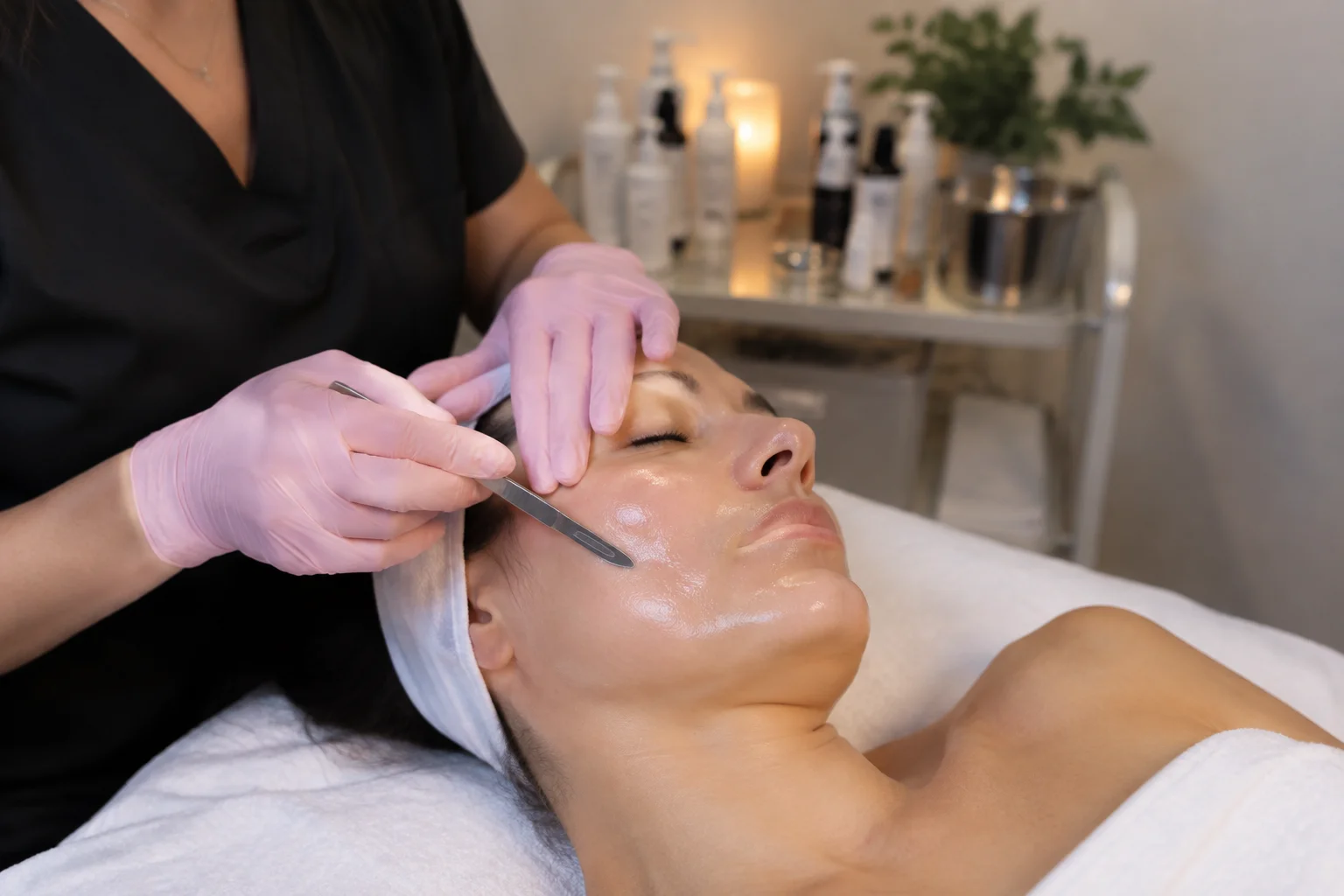
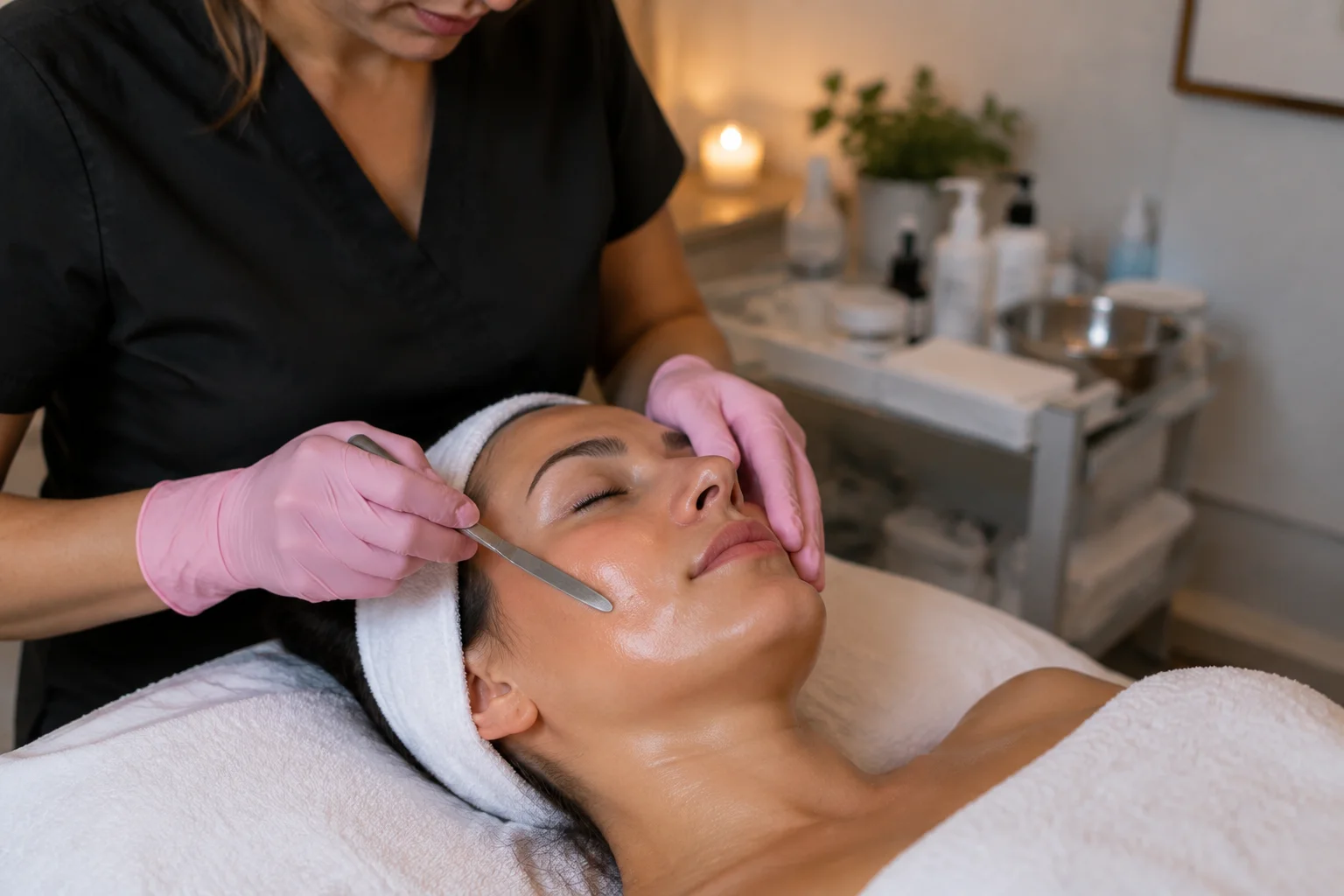
During treatment, an esthetician uses a blade designed for dermaplaning to carefully remove fine hair and superficial dead skin buildup. It is a form of physical exfoliation, not a deep resurfacing treatment. The difference matters when deciding what results to expect and how frequently to repeat it.
The Dermaplane Add-On at Heather's Luminous Esthetics lets you discuss this step as part of a facial rather than planning an entirely separate treatment. That can suit clients who want their regular appointment to address both surface texture and their broader skincare needs.
What is drawing interest to dermaplane add-ons?
The reasons people ask about dermaplaning are easy to understand. Smoother-feeling skin, less visible peach fuzz, and makeup that applies more evenly are practical benefits. They relate to everyday experiences rather than a complicated promise about changing the skin permanently.
The add-on format also appeals to people who prefer a simpler appointment schedule. If you already set aside time for a facial, it makes sense to ask whether one additional step could support your goals. That convenience is different from needing dermaplaning at every visit.
There is no need to assume a measured local surge in demand to explain its appeal. For prospective clients in Tucson, interest may come from wanting a refreshed appearance while keeping skincare realistic. The useful question is not whether a treatment is popular, but whether it solves a concern you actually have.
Where Tucson's desert climate changes the conversation
Dry air can leave skin feeling tight or looking flaky, particularly when the moisture barrier is already stressed. Tucson residents may also move between outdoor heat and air-conditioned spaces throughout the day. A skincare plan needs to account for that comfort level, not just how much exfoliation the skin might tolerate.
Dryness does not automatically call for exfoliation
A rough patch can reflect surface buildup, but it can also signal irritation or dehydration. Dermaplaning may smooth superficial buildup in suitable skin. It does not replace moisturizer or repair every cause of flaking. If your skin stings when you apply a basic product, adding exfoliation may be the wrong next step.
Sun exposure belongs in the treatment plan
Walking the dog, attending an outdoor event, and spending a morning on a trail all contribute to sun exposure. After exfoliation, careful sun protection is particularly important. An appointment should fit around your outdoor plans, with broad-spectrum SPF 30 or higher, shade, and protective clothing remaining daily priorities.
For more local context, read about why a dermaplane add-on deserves a closer look for Tucson skin. Climate is one reason a personalized recommendation matters more than a fixed treatment schedule.
The benefits, without overstating the results
A smoother surface and softer-looking finish
Removing peach fuzz and surface dead skin can make the face feel smoother immediately. Makeup may sit more evenly, especially where fine hair previously affected the finish. Some clients also notice that skin looks brighter because the surface appears more uniform.
Those changes are temporary. Dermaplaning does not permanently remove facial hair, shrink pores, or correct deep wrinkles and acne scars. It also does not treat the underlying causes of persistent dark spots. Clear expectations make it easier to appreciate the treatment for what it can reasonably offer.
A different experience with skincare products
With less surface buildup, products may spread more evenly, and exfoliation can increase penetration of some ingredients. Greater penetration is not automatically better, however. Strong actives may also become more irritating. The immediate goal should be comfortable hydration, not taking advantage of freshly exfoliated skin by applying stronger products.
Our article on how dermaplaning can change the way Tucson skin looks and feels explores these surface-level differences in more detail.
Who may be a good candidate, and who should wait?
Dermaplaning may suit clients with intact, relatively calm skin who want to address fine facial hair or mild surface roughness. People who already tolerate a gentle routine and have realistic expectations often find it easier to decide whether the result is worth maintaining.
Sensitive skin requires an individual assessment. Sensitivity is not one diagnosis, and a history of occasional tightness is different from an active rosacea flare or inflamed eczema. Tell your esthetician about recurring redness, reactions, and any diagnosed skin conditions before choosing exfoliation.
Active inflamed acne, open areas, cold sores, sunburn, or a compromised skin barrier can be reasons to postpone treatment or avoid affected areas. Share information about prescription skincare, isotretinoin use, recent procedures, and medications that affect healing or bleeding. Some situations require guidance from your prescribing clinician. Do not stop a prescribed treatment on your own to prepare for a facial.
How dermaplaning fits into a personalized facial
The service is offered as an add-on to any facial, but suitability still needs to be checked for your skin that day. The treatment description is not a reason to stack multiple exfoliating steps automatically. A facial can be adjusted so the overall appointment remains appropriate rather than simply more intensive.
For someone focused on dryness and roughness, the discussion may center on gentle surface exfoliation followed by supportive hydration. For someone concerned primarily about uneven pigmentation, dermaplaning may help texture without being the main treatment for the pigment concern itself.
You can also explore The Glow And Go Dermaplane Facial and ask how that option compares with adding dermaplaning to another facial. If discoloration is your main priority, ask whether the 5 Berry Pigment Peel is appropriate as a separate treatment plan. Combining exfoliation services requires a specific assessment, not an assumption that more will produce better results.
For another perspective, see how a dermaplane add-on can complement a personalized facial.
Preparing for your Tucson appointment
Start by sharing your current routine, including retinoids, exfoliating acids, scrubs, acne products, and any at-home hair removal. Ask which products to pause and for how long. Timing varies with the product, your skin's condition, and any other treatments planned during the facial.
Avoid arriving with sunburn or skin that is already irritated from exfoliation. Skip at-home dermaplaning before your visit, and mention recent waxing, peels, laser treatments, or other procedures. If you are considering an Eyebrow Wax or Lip & Chin Wax, discuss treatment areas and scheduling so the same skin is not unnecessarily overtreated.
For a first appointment, choose a time when you can keep the following day relatively gentle. Trying a new exfoliating treatment immediately before an important photo session, wedding, or long outdoor outing leaves little room to see how your skin responds.
The appointment and the first few days afterward
Dermaplaning usually feels like light scraping or brushing across the skin, although sensation varies. Tell your esthetician if you feel pain, burning, or unusual discomfort. It should not be something you feel obligated to endure silently.
Surface smoothness is often noticeable right away. Mild temporary redness or sensitivity can occur, and small nicks or irritation are possible. Many clients do not need significant social downtime, but that is not a guarantee that everyone will look or feel completely unchanged immediately afterward.
Once your skin has settled, evaluate the result in ordinary conditions. Notice how your face feels after cleansing, how moisturizer applies, and whether makeup sits differently. These everyday observations are more useful for planning maintenance than judging your skin only under treatment-room lighting.
Aftercare that respects dry air and strong sunshine
Keep your routine simple while the skin settles. Follow your esthetician's instructions for gentle cleansing, moisturizer, and sunscreen. Avoid scrubs, exfoliating tools, and strong actives until you have been advised to restart them. Do not try to maintain the smooth feeling by exfoliating again at home.
In Tucson, plan sun protection before you leave the appointment. Use broad-spectrum SPF 30 or higher, reapply according to the label and your exposure, and add a hat or shade when outdoors. Sunscreen does not make prolonged midday sun exposure risk-free.
Ask when to resume makeup, strenuous exercise, swimming, and activities involving substantial heat or sweat. Recommendations can differ depending on the rest of your facial and your response. Persistent burning, worsening redness, unusual swelling, or signs of infection warrant prompt advice from a healthcare professional rather than more skincare products.
Building a maintenance rhythm that stays flexible
Many clients consider dermaplaning roughly every four to six weeks, but this is a discussion point, not a requirement. Hair regrowth, skin tolerance, other exfoliation, and personal preference all affect timing. Some people enjoy regular appointments; others choose the add-on only occasionally.
Fine hair grows back after dermaplaning. Cutting it at the surface does not change the follicle or make it grow thicker or darker, although the cut end can feel different as it emerges. Dermaplaning is not a substitute for a longer-term hair removal plan when coarse facial hair is the main concern.
For maintenance-focused clients, success may mean fewer rough-feeling days and a routine that stays comfortable between visits. If skin becomes persistently tight or reactive, spacing treatments farther apart or skipping exfoliation is a sensible adjustment.
When looking for a dermaplane add-on near you in Tucson, choose based on a thoughtful skin assessment and clear aftercare guidance, not frequency alone. Ask Heather's Luminous Esthetics about the Dermaplane Add-On, share what you want to maintain, and discuss whether your next facial is the right time to include it.
Book Dermaplane Add-On in Tucson, AZ
If you are looking for Dermaplane Add-On in Tucson, AZ, visit our service page or contact us to schedule your appointment.
Serving Clients in Tucson, AZ
Heather's Luminous Esthetics proudly serves clients throughout Tucson, AZ.
Frequently Asked Questions
How often should I schedule a dermaplane add-on for maintenance?
Will dermaplaning make my peach fuzz grow back thicker?
Is a dermaplane add-on suitable for dry skin in Tucson?
Related Articles
Article Gallery