Maybe your skin feels rough even when you moisturize consistently. Perhaps old breakout marks catch the light, or fine lines have become more noticeable after years of Arizona sun. Microneedling may help with some of those concerns, but the right plan starts with understanding your skin, not choosing the most intensive treatment available.
For clients considering Microneedling Renewal Treatment in Tucson, AZ, personalization means looking at your goals alongside your skin sensitivity, health history, daily products, and outdoor routine. At Heather's Luminous Esthetics, the service includes cleansing, numbing, targeted microneedling, and finishing care. Here's how to approach that appointment with clear expectations and a recovery plan that fits desert life.
What microneedling can realistically change
Microneedling uses fine needles to create controlled micro-injuries in the skin. That process stimulates a healing response that can support collagen remodeling over time. Depending on the concern, treatment technique, and individual response, it may improve the appearance of uneven texture, certain acne scars, and fine lines.
It is not an instant resurfacing shortcut. Early swelling can temporarily make skin look plumper, but that is different from lasting improvement. Meaningful changes generally develop gradually, and a series of treatments may be recommended. Deep scars, significant laxity, or persistent discoloration may need evaluation for other options.
Separate texture concerns from pigment concerns
A shallow indentation left by acne is different from a flat brown mark, even if both are called acne scars. Raised scars are different again. Explaining what you want to change helps your provider decide whether microneedling is appropriate. Melasma and a history of post-inflammatory darkening deserve particular caution because irritation can worsen pigmentation.
Personalization starts before the treatment pen
A useful consultation goes beyond asking whether you want smoother skin. Your provider should review current irritation, recent sun exposure, medications, previous procedures, and how your skin has healed in the past. Share prescription skincare as well as over-the-counter products, including retinoids, exfoliating acids, and acne treatments.
Bring two or three priorities rather than a long list of perceived flaws. For example, you might care most about cheek texture, fine lines around the mouth, and keeping recovery manageable for work. Those priorities help shape a plan without treating every area as though it has the same needs.
More intensity is not always more effective
Appropriate treatment settings depend on the area, skin condition, device, and provider's scope and training. Thin or sensitive areas should not automatically receive the same approach as thicker, scarred skin. More bleeding, discomfort, or redness does not prove that a treatment is better. Personalization means selecting an appropriate approach, not pushing your skin as hard as possible.
Why Tucson's climate belongs in your care plan
Living in Tucson often means repeated sun exposure rather than a single beach vacation. Morning walks, weekend hikes, gardening, and time beside the pool all matter when planning recovery. Freshly treated skin needs careful protection, so scheduling immediately before an outdoor event can make aftercare unnecessarily difficult.
Dry desert air and indoor air conditioning can also make post-treatment tightness more noticeable. If your skin is already stinging, peeling, or uncomfortable, discuss that before proceeding. A compromised skin barrier may need attention first. Microneedling should not be used as a quick fix for dehydration or an actively irritated complexion.
Pick a week when you can limit direct sun, heat, and strenuous outdoor activity according to your provider's instructions. A lower UV reading in winter does not eliminate the need for protection. For Tucson and other Pima County clients, the most practical appointment date is one that leaves room for recovery, regardless of the season.
Who may be a good candidate?
Adults with stable skin who want improvement in mild textural irregularities, certain acne scars, or fine lines may be candidates. Microneedling can be considered across a range of skin tones, but that does not mean every person has the same risk. Previous pigment changes after irritation are important to disclose.
Treatment may need to be postponed or avoided with active inflammatory acne in the treatment area, cold sores, other infections, open wounds, sunburn, or an eczema or rosacea flare. A history of keloids, poor wound healing, immune suppression, or bleeding problems also requires careful assessment. Mention pregnancy, breastfeeding, current or recent isotretinoin use, and any blood-thinning medication.
Do not stop a prescribed medicine to prepare for a beauty appointment unless your prescribing clinician directs you to. Some circumstances require medical clearance or a dermatologist's evaluation. For a closer look at suitability, read Is Microneedling Renewal Treatment a Good Fit for Your Tucson Skin?
Inside the Microneedling Renewal appointment
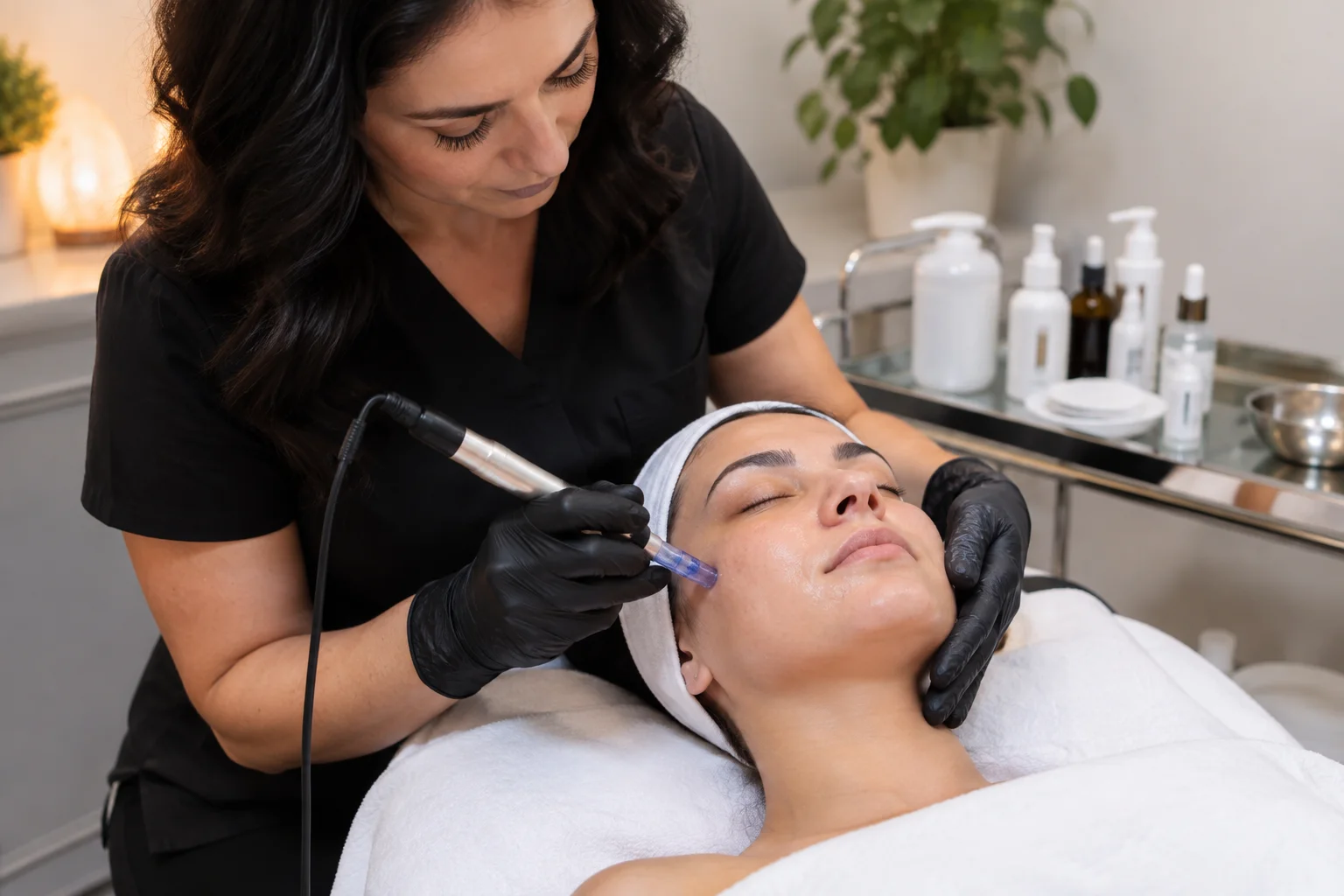
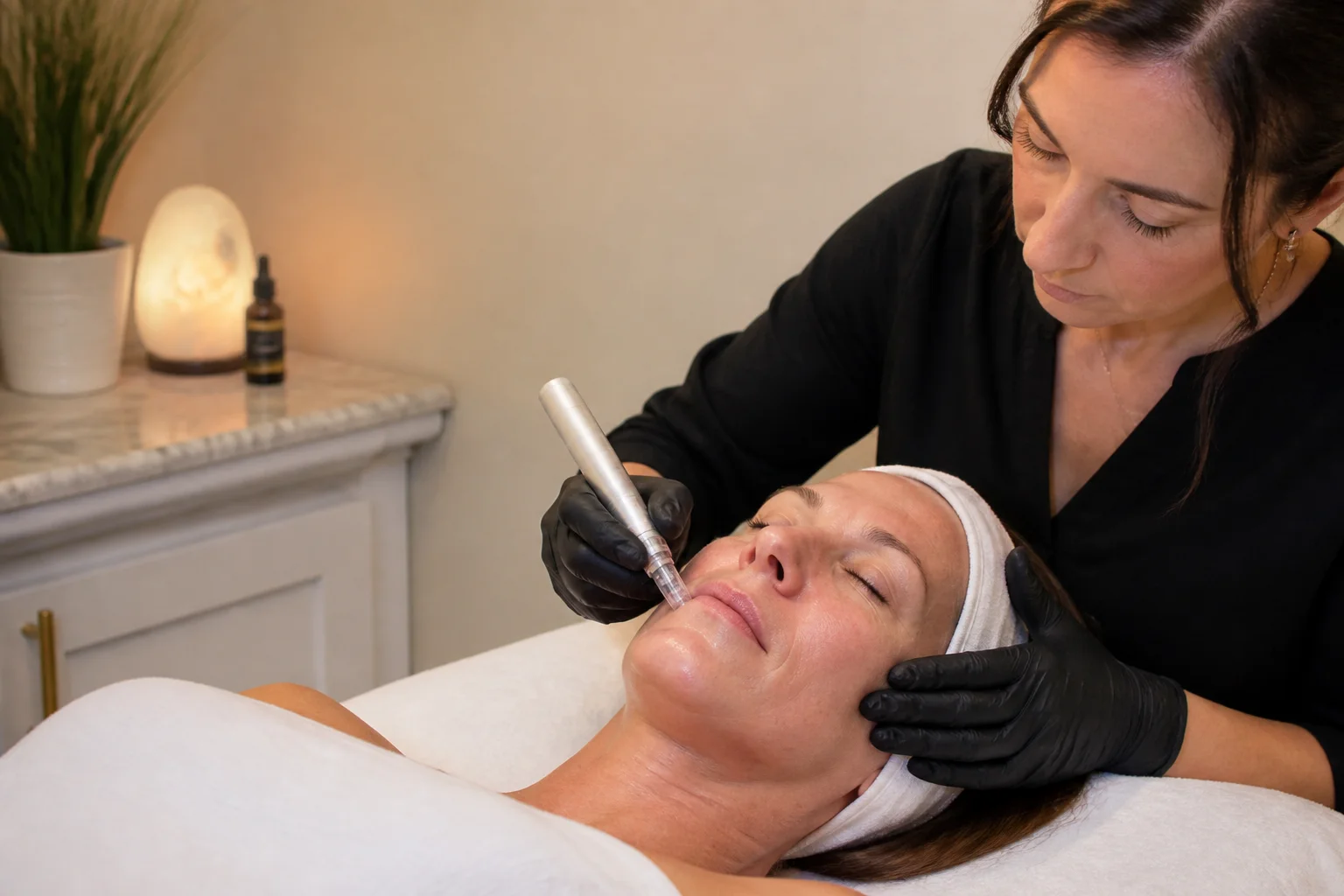
The Microneedling Renewal Treatment at Heather's Luminous Esthetics begins with a thorough double cleanse, followed by a 20 to 25 minute numbing session for comfort. Microneedling then focuses on targeted areas. Numbing can reduce discomfort, although pressure, vibration, or prickling sensations may still be noticeable.
The listed service includes a stem cell serum and finishes with calming post-care serums, SPF, and nourishing lip balm. The term stem cell serum is a skincare marketing description, not a promise of live stem cell therapy or guaranteed regeneration. Ask which product is used, what it contains, and whether it is suitable for use with the specific device and on freshly treated skin.
Other sensible questions include who performs the treatment, their relevant credentials, and how sterile, single-use needle cartridges are handled. Ask about risks, including infection, prolonged irritation, pigment changes, and scarring, as well as the plan if a reaction occurs. A $50 deposit is required; confirm the full price, appointment length, and booking policies before scheduling.
Preparing without overcomplicating your routine
Request written preparation instructions early enough to follow them. Your provider may recommend temporarily pausing retinoids, exfoliating acids, scrubs, or other irritating products. The timing depends on your routine and skin, so avoid borrowing a universal schedule from social media. Tell your provider about recent peels, laser treatments, injectables, and hair removal.
Keep the days before treatment predictable: gentle cleansing, a familiar moisturizer, and consistent sun protection. Avoid tanning and intentional sun exposure. If you develop sunburn, a breakout flare, a rash, or a cold sore, contact the studio rather than assuming treatment can proceed unchanged.
Facial waxing also needs coordination. If you regularly book a Full Face Wax or Lip & Chin Wax, ask how far apart those appointments should be. Waxing and microneedling should not be stacked onto already sensitive skin simply to save a trip.
Aftercare for dry air, sunlight, and everyday life
Temporary redness, warmth, tenderness, tightness, and mild swelling can occur after microneedling. Some people experience pinpoint bleeding during treatment or light flaking afterward. Recovery depends on treatment intensity and individual skin response. Allow flexibility rather than assuming your complexion will look completely settled the next morning.
Keep products simple and provider-approved
Follow the specific instructions for when to cleanse, moisturize, apply sunscreen, and resume makeup. Use only products cleared for the immediate recovery period. Freshly treated skin is not the place to experiment with fragranced masks, concentrated actives, essential oils, or leftover products from another procedure.
Once cleansing is permitted, handle the skin gently with clean hands and lukewarm water. Do not scrub away flakes or pick at rough areas. Avoid exfoliants and retinoids until your provider says your skin is ready, even if you usually tolerate them well.
Plan around heat and sun exposure
Follow instructions about avoiding strenuous exercise, saunas, hot tubs, and swimming during early healing. In Tucson, a long hike or outdoor workout can combine heat, sweat, friction, and sun at exactly the wrong time. Choose quieter activities while your skin settles.
Use shade and a broad-brimmed hat, and follow your provider's guidance on appropriate broad-spectrum SPF 30 or higher sunscreen. Reapply as directed once sunscreen use is permitted. Seek prompt medical advice for worsening pain, spreading redness, pus, fever, or blistering rather than treating those symptoms as normal recovery.
A sensible timeline for results and maintenance
In the first few days, focus on comfort and healing rather than judging the outcome. Visible redness may fade within a few days, though more intensive treatment can take longer. Schedule well ahead of weddings, photographs, or important events, particularly if this is your first session and your recovery pattern is unknown.
Over the following weeks, some clients notice gradual improvements in texture and overall smoothness. Collagen remodeling continues over months. A series may be appropriate, often with sessions spaced several weeks apart, but the interval should reflect the treatment performed and how fully your skin has recovered.
Take comparison photos in similar lighting without filters. That offers a more useful measure than checking your skin closely every day. Maintenance is individual, not an automatic monthly commitment. Your provider can reassess whether another session is worthwhile based on progress, tolerance, budget, and your current goals.
Choose complementary care, not a crowded calendar
Supporting your skin between treatments usually matters more than adding every available service. Consistent sun protection, a tolerable home routine, and appropriate moisturization help maintain skin comfort and reduce avoidable irritation. A Custom Luminous Facial may be worth discussing as a separate appointment when skin is fully healed and the treatment is appropriate.
If your main concern is surface buildup or peach fuzz rather than deeper textural change, explore The Dermaplane Glow: Smoother Skin on Tucson Time. Dermaplaning and microneedling serve different purposes and should not be treated as interchangeable or automatically combined.
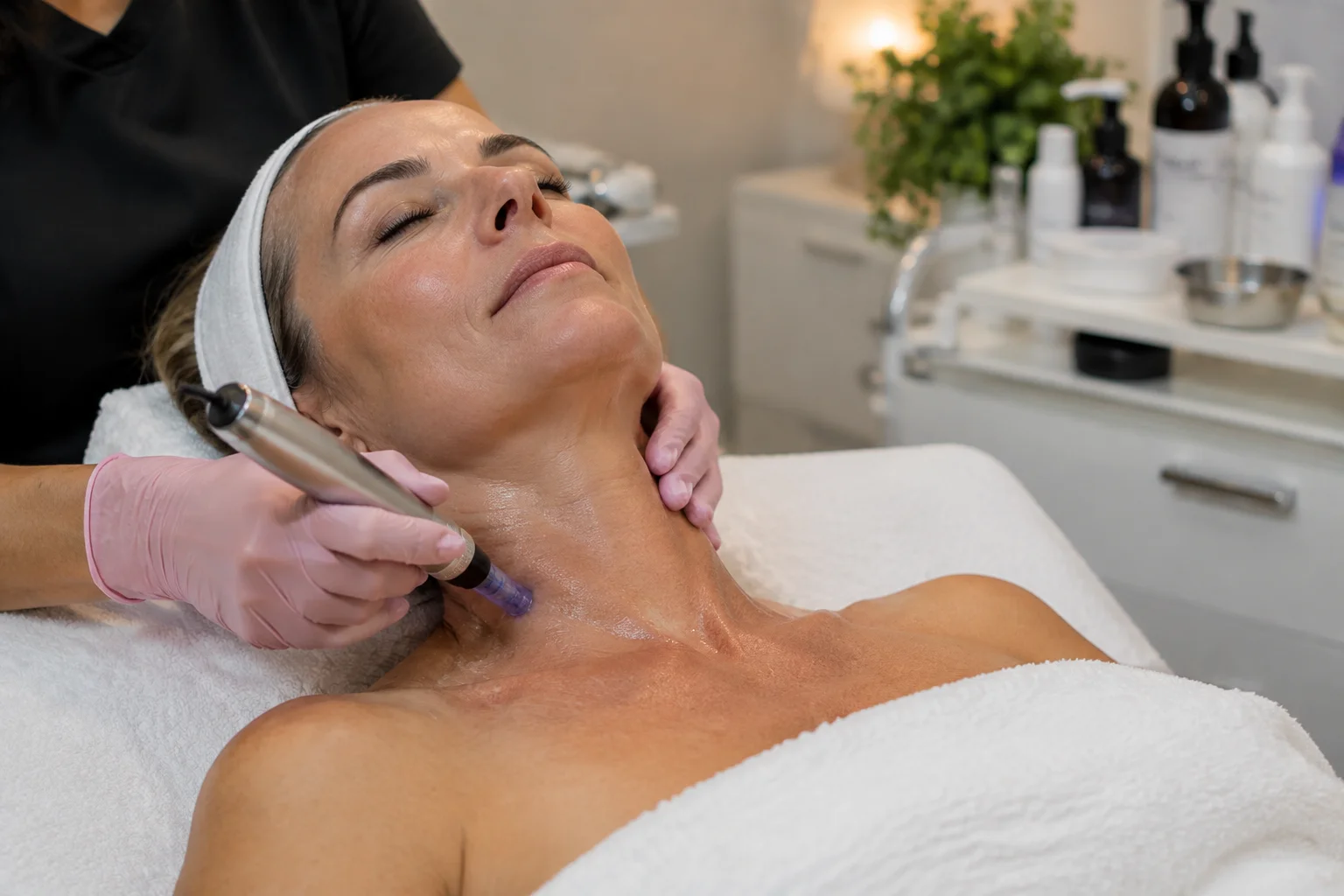
Goals beyond the face deserve their own assessment, too. The neck and chest have different skin characteristics and exposure histories. Read Beyond the Jawline: Neck and Chest Microneedling in Tucson, then ask whether those areas are appropriate for your plan rather than assuming they are included.
Make room for the questions that matter to you
Before booking, write down your main concern, your current products, and any upcoming outdoor plans. Ask what improvement is realistic, how many sessions might be considered, and what the full course could cost. Clear answers help you decide whether treatment fits your skin and your life.
For local clients comparing microneedling options, that conversation is part of good care. Review Heather's Luminous Esthetics' Microneedling Renewal Treatment details and bring your questions to the consultation. A useful plan should leave you understanding not only what will happen during the appointment, but also how to care for your skin afterward in Tucson.
Book Microneedling Renewal Treatment in Tucson, AZ
If you are looking for Microneedling Renewal Treatment in Tucson, AZ, visit our service page or contact us to schedule your appointment.
Serving Clients in Tucson, AZ
Heather's Luminous Esthetics proudly serves clients throughout Tucson, AZ.
Frequently Asked Questions
How much downtime should I plan for after microneedling in Tucson?
Can microneedling help with acne scars and dark spots?
What is included in Heather's Luminous Esthetics' Microneedling Renewal Treatment?
Related Articles
Article Gallery