A facial feels worthwhile when it addresses something you actually notice: roughness across your cheeks, a dull appearance, or makeup catching on uneven patches. For Tucson clients, those concerns often come with another consideration. How do you refresh your skin without leaving it feeling more stressed by dry air and sun exposure?
A Diamond Microdermabrasion Facial at Heather's Luminous Esthetics offers a surface-focused approach to smoother, brighter-looking skin. Its value comes from more than the polishing step. Thoughtful treatment selection, hydration, realistic expectations, and an aftercare plan all matter, especially when your everyday routine includes life in the Sonoran Desert.
What diamond microdermabrasion actually does
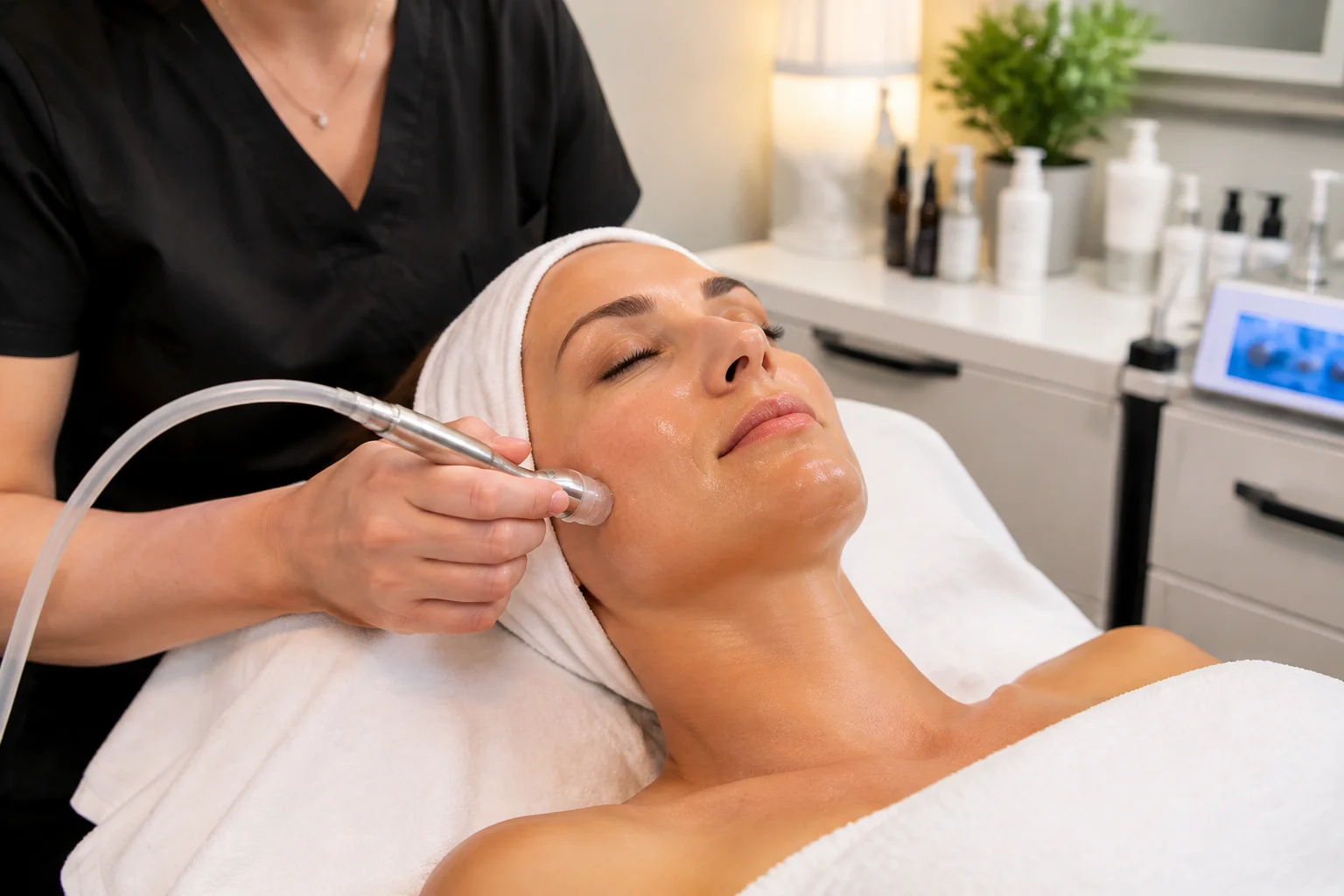
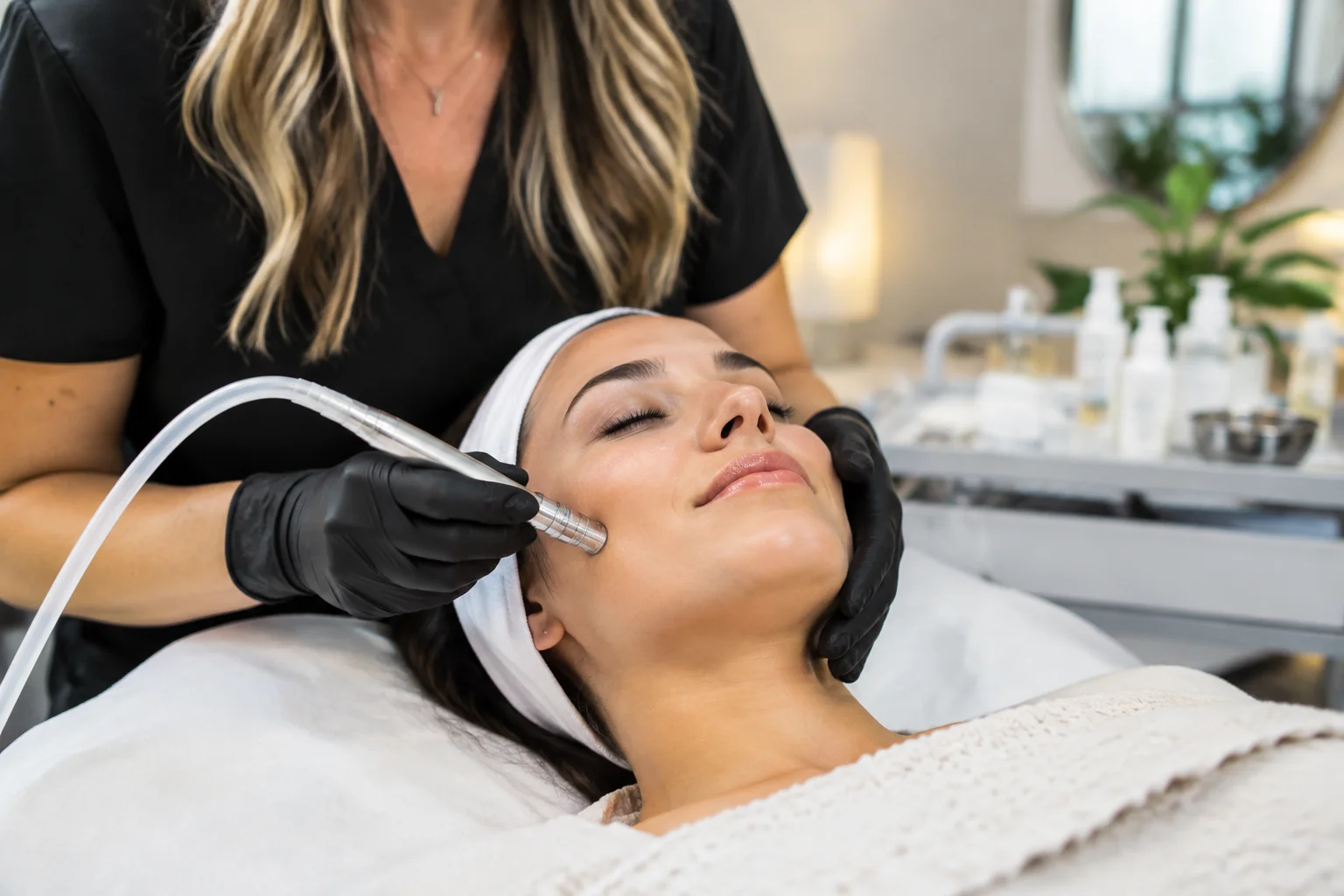
Diamond microdermabrasion uses a diamond-tipped wand to mechanically exfoliate the outermost layer of dead skin cells. The device typically combines that polishing action with suction to lift away loosened debris. The goal is a smoother skin surface, not deep resurfacing or dramatic structural change.
When accumulated surface cells contribute to a rough feel or muted appearance, removing some of that buildup can help skin look fresher. Some clients also notice that makeup sits more evenly afterward. Results depend on your starting condition, your skin's tolerance, and the habits supporting your skin between appointments.
What the facial includes at Heather's Luminous Esthetics
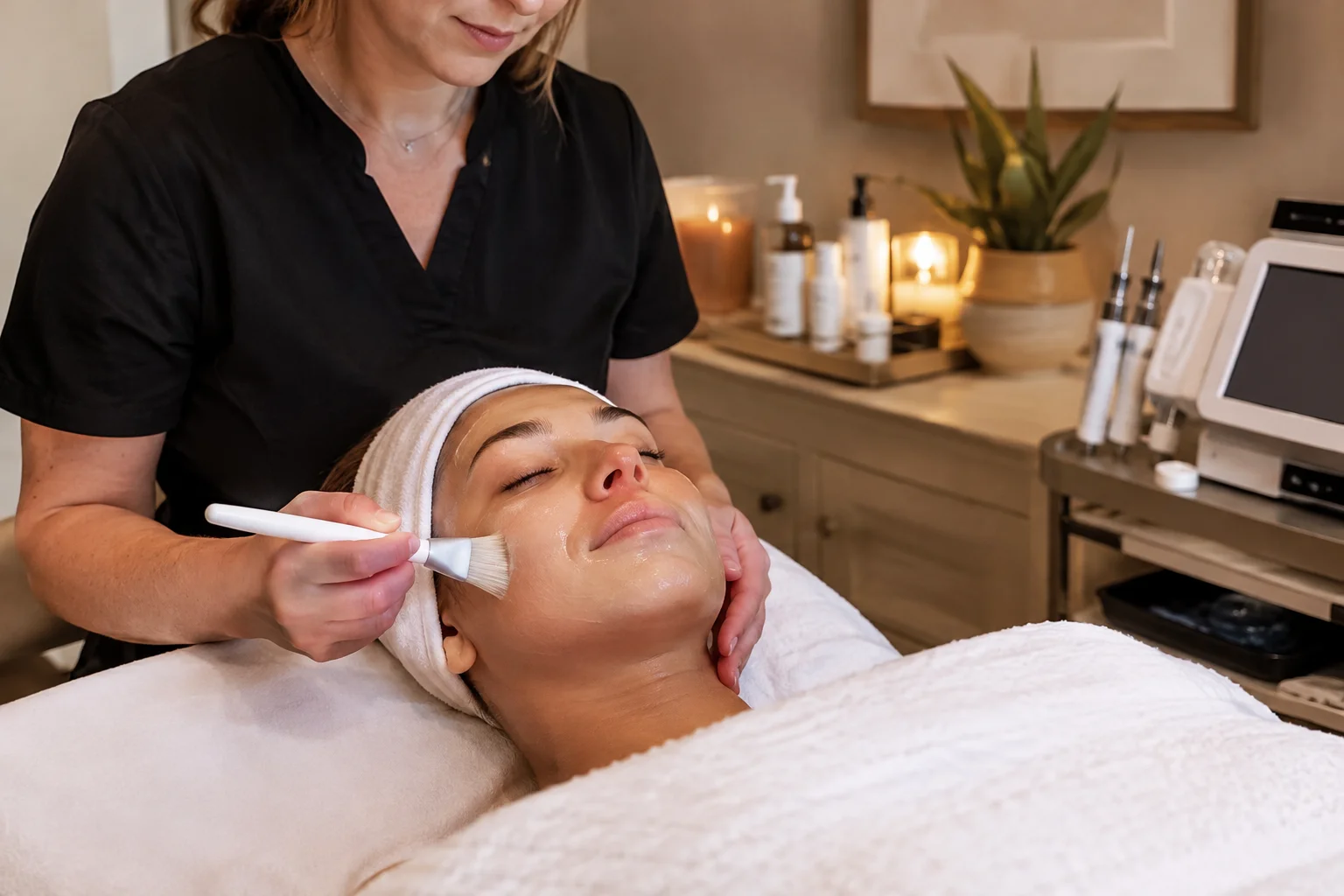
The Diamond Microdermabrasion Facial includes cleansing, an enzyme exfoliant, microdermabrasion, a hydrating mask, and a finishing routine with serums, moisturizer, SPF, and lip balm. This makes it a complete facial rather than an isolated exfoliation session.
Because the listed treatment includes both enzyme and mechanical exfoliation, discussing sensitivity and current products is important. More exfoliation is not automatically better. Your skin's condition should guide whether the planned treatment is appropriate that day and whether another approach would be more comfortable.
Why Tucson changes the skincare conversation
Tucson's low humidity can make it harder for skin to retain moisture. Add air conditioning, outdoor activity, and frequent sun exposure, and skin may feel tight even when it still produces oil. Oiliness and dehydration can exist together, so a shiny forehead does not necessarily mean your skin needs stronger exfoliation.
There is also an important distinction between built-up surface cells and a compromised moisture barrier. Both can make skin look uneven, but they do not call for the same response. If your face stings when you apply moisturizer, looks inflamed, or feels persistently uncomfortable, gentle barrier support may be a better starting point than resurfacing.
Personalized care helps sort out that difference. A useful conversation includes how much time you spend outside, whether you cycle or hike, what sunscreen you wear, and whether your current routine leaves your skin feeling comfortable.
The benefits that can make the appointment feel worthwhile
A smoother surface you can feel
One of the more immediate potential benefits is a smoother feel. If roughness comes mainly from superficial buildup, polishing away some dead cells may make a noticeable difference. That does not mean every bump will disappear. Raised lesions, milia, active breakouts, and other texture concerns may need different care.
A brighter look without expecting a transformation
Removing dull surface cells can help skin reflect light more evenly, creating a fresher appearance. This is different from treating the underlying causes of pigmentation. Sun spots, melasma, and deeper discoloration often need a broader plan, and aggressive exfoliation can worsen pigmentation in susceptible skin.
Time spent on both exfoliation and comfort
The hydrating mask and finishing products matter, particularly in Tucson's dry air. They support comfort after the polishing step. For some clients, the worthwhile part is having an appointment that connects their texture goals with hydration and practical home care, rather than simply pursuing the strongest possible treatment.
Who may be a good candidate?
Diamond microdermabrasion may suit people with mild surface roughness, dullness, or some superficial pore congestion, provided their skin is otherwise calm and healthy. It can appeal to someone who wants a refreshed appearance without pursuing a deeper resurfacing procedure.
It is not right for every complexion or every appointment. Active inflammatory acne, open skin, sunburn, an eczema flare, or rosacea-prone sensitivity can make mechanical exfoliation inappropriate. A history of pigment changes after irritation also deserves discussion. People of any skin tone can experience post-inflammatory discoloration.
Tell your esthetician about cold sores, healing problems, recent procedures, prescription skincare, and current or recent isotretinoin use. Some situations require postponement or guidance from your prescribing clinician. Persistent, painful, or changing skin concerns should be evaluated by a medical professional rather than treated as routine cosmetic texture.
Personalized care starts before the wand touches your skin
A useful consultation connects your goal to what the treatment can reasonably accomplish. Saying that you want your cheeks to feel less rough is more actionable than asking for perfect skin. It helps establish whether superficial exfoliation is likely to deliver something you will appreciate.
Bring up previous reactions, not just diagnosed conditions. Mention if a scrub once left you burning, if fragrance bothers you, or if your face becomes red easily. Details that seem minor can influence treatment selection and aftercare recommendations.
If you are unsure whether exfoliation is your first priority, ask about the New Client Special Custom Facial and confirm its current availability and suitability. A consultation can help you choose between a polishing-focused service and another facial approach.
How to prepare without overdoing your routine
Preparation should leave your skin calm, not freshly scrubbed. Avoid adding new exfoliating products before your appointment. Ask the provider when to pause retinoids, exfoliating acids, abrasive scrubs, and other potentially irritating products. Timing varies by formula, skin sensitivity, and treatment plan. Do not stop prescribed medication without consulting the prescriber.
Avoid intentional tanning and arrive without sunburn. Tell the provider about recent waxing, peels, laser treatments, or other facial services so the appointments can be spaced appropriately. Stacking treatments too closely can increase irritation, even if each service usually feels manageable on its own.
For a practical planning checklist, read Planning a Diamond Microdermabrasion Facial in Tucson. Also leave room in your schedule for possible temporary redness, especially if this is your first session or you have an important event coming up.
What the treatment may feel like
During microdermabrasion, clients commonly describe a light scratching or sanding sensation with suction. Comfort varies depending on the treatment area and individual sensitivity. It should not be an exercise in tolerating pain. Speak up if an area feels sharp, overly hot, or uncomfortable.
Skin may look mildly pink or feel temporarily tight afterward. Some people return to ordinary activities comfortably, while others prefer a quieter day. Do not assume that a surface treatment means no possibility of irritation. Ask about the expected appointment length when booking, since service timing can vary.
Aftercare that makes sense in the desert
Keep the first part of your aftercare simple. Use a gentle cleanser, a comfortable moisturizer, and broad-spectrum sunscreen with SPF 30 or higher. Follow your provider's directions about when to restart exfoliants, retinoids, and makeup. Avoid scrubbing, picking, or trying to extend the polished feeling with another exfoliation session at home.
In Tucson, plan sun protection beyond the morning application. Reapply sunscreen according to its label, especially during outdoor activity, and use shade and a hat when practical. If you usually spend the afternoon on a trail or beside a pool, consider moving the facial to a time when sun avoidance will be easier.
Temporarily limit activities that intensify heat, sweating, or friction if your provider advises it. A simple moisturizing routine can help reduce the tight feeling associated with dry air. Drinking water supports general health, but it does not replace topical moisturizer or repair an irritated barrier on its own.
Contact the provider if redness or discomfort is increasing rather than settling. Significant swelling, blistering, severe pain, or signs of infection warrant prompt medical advice.
When results appear and what maintenance involves
A smoother feel or brighter appearance may be noticeable after one treatment, although temporary pinkness can initially obscure the result. Give your skin time to settle before judging the outcome. Changes are generally modest and surface-level, and the duration varies with cell turnover, home care, and environmental exposure.
Maintenance should follow your skin's response, not a rigid rule. Treatments are often spaced several weeks apart, but the appropriate interval depends on sensitivity, goals, and other services in your routine. If your skin remains tight or reactive, adding another session sooner is not the answer.
For more perspective on achievable changes, explore a Tucson skin reset for a smoother, brighter look. Consistent sunscreen and comfortable daily skincare usually contribute more to maintaining results than trying to schedule increasingly intensive exfoliation.
Choosing the service that matches your real goal
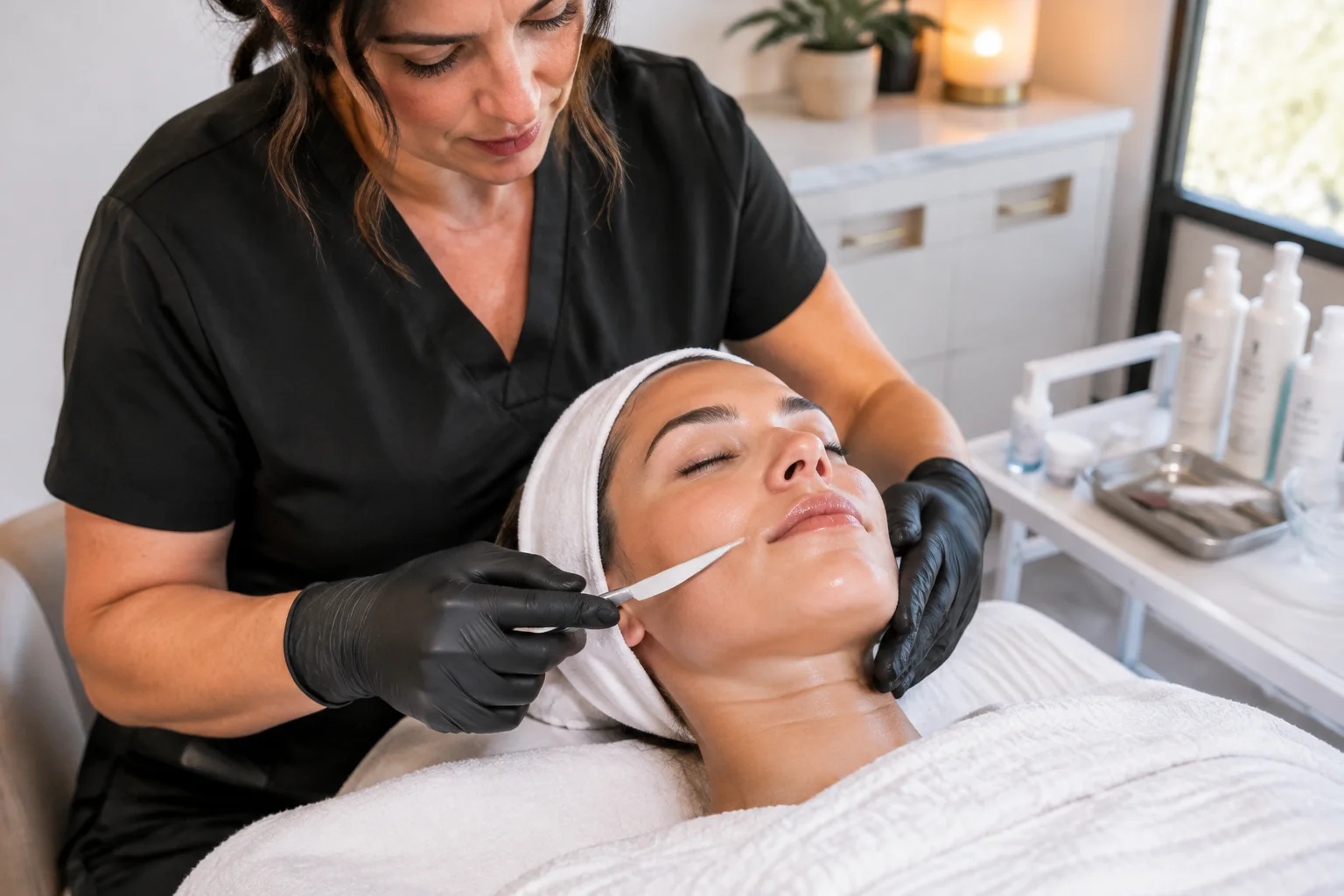
Microdermabrasion is not interchangeable with every smoothing service. If fine facial hair is a main concern, the Dermaplane Glow Facial may be worth discussing. Dermaplaning targets fine hair along with surface cells, while diamond microdermabrasion focuses on abrasive exfoliation. Neither option is automatically the gentler choice for every person.
Likewise, deeper acne scars or substantial wrinkles are not problems a light polishing facial can reliably erase. Asking what this service will not do is just as useful as asking about its benefits. A worthwhile recommendation should fit your concern, tolerance, budget, and willingness to maintain home care.
Booking with a clear idea of value
For someone searching for a Diamond Microdermabrasion Facial in Tucson, AZ, value is not just an immediate glow. It is choosing appropriate exfoliation, understanding possible reactions, and leaving with manageable next steps. Ask about current pricing, appointment timing, and any preparation instructions before booking.
Heather's Luminous Esthetics requires a $25 deposit for new clients. Review the Diamond Microdermabrasion Facial service details and discuss your skin goals before your visit. Whether you want smoother-feeling cheeks or a less dull appearance, the best starting point is a treatment plan that respects how your skin feels today.
Book Diamond Microdermabrasion Facial in Tucson, AZ
If you are looking for Diamond Microdermabrasion Facial in Tucson, AZ, visit our service page or contact us to schedule your appointment.
Serving Clients in Tucson, AZ
Heather's Luminous Esthetics proudly serves clients throughout Tucson, AZ.
Frequently Asked Questions
Can diamond microdermabrasion help dry skin in Tucson?
How soon before an event should I book a diamond microdermabrasion facial?
What is included in the facial at Heather's Luminous Esthetics?
Related Articles
Article Gallery