A freshly exfoliated complexion can feel wonderfully smooth, but keeping that comfortable glow takes more than scheduling another treatment. In Tucson, dry air, strong sun, and everyday skincare habits all influence how skin responds to exfoliation.
At Heather's Luminous Esthetics, the Microdermabrasion Add-On uses a diamond tip to gently buff away dull surface skin during a facial. For suitable skin, it can be a useful step toward a softer feel and brighter appearance. The key is choosing the right timing and supporting your skin afterward, rather than assuming more exfoliation always means better results.
What a microdermabrasion add-on actually does
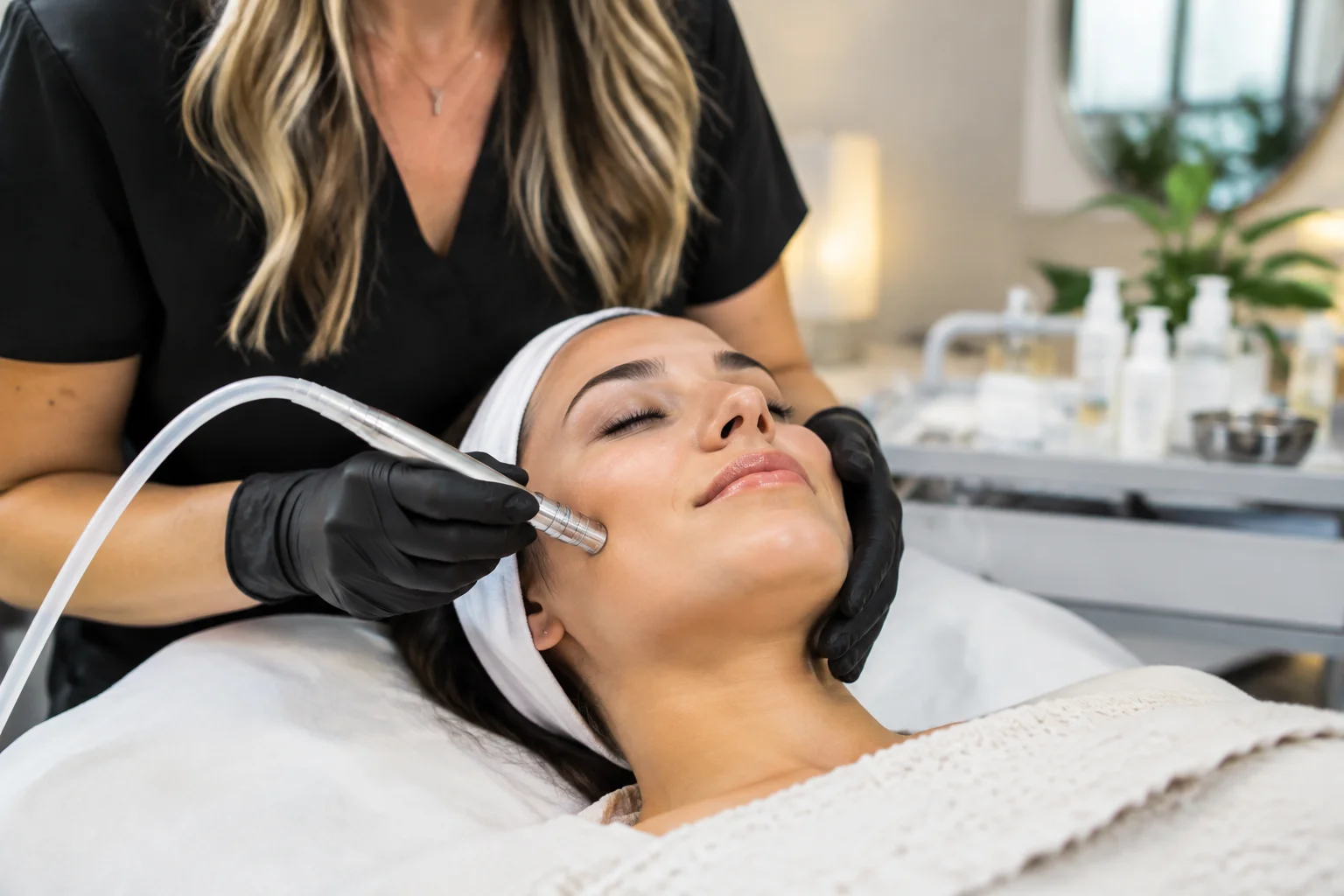
Microdermabrasion is a form of physical exfoliation. A diamond-tip handpiece works across the skin's surface to remove some of the outermost dead skin cells. Unlike deeper resurfacing procedures, it focuses on the superficial layer rather than treating deeper tissue.
As an add-on, it becomes part of your facial appointment rather than a separate, complete skincare plan. Heather's Luminous Esthetics lists it as an option to add to any facial, though your skin's condition still determines whether exfoliation is appropriate that day.
Benefits worth considering
The most noticeable benefits are often a smoother surface, a less dull appearance, and a softer feel. Makeup may sit more evenly when rough surface buildup is reduced. Some clients may also notice that pores look less prominent, although microdermabrasion does not permanently shrink pores.
Results are usually subtle rather than dramatic. This treatment does not replace medical care for acne, remove deep scars, or erase established wrinkles. Thinking of it as a surface-refining option helps set expectations that match what it can reasonably offer.
Why Tucson skin needs a thoughtful approach
Living in Pima County often means balancing outdoor time with air-conditioned interiors and low humidity. Skin can lose moisture in dry conditions, and adding exfoliation when it already feels tight or irritated may make that discomfort worse.
Sun exposure is another practical consideration. A morning walk, errands across town, or lunch on a patio can add up. After exfoliation, protecting your skin from ultraviolet exposure becomes especially important. A treatment schedule should fit your real life, not just an open spot on the calendar.
Oily skin is not automatically well hydrated, either. You can have shine through the center of your face while your cheeks feel dry or sensitive. Personalized care accounts for these differences instead of treating every part of your face with the same intensity.
Who may be a good candidate?
A microdermabrasion add-on may suit someone with mild surface roughness, dullness, or uneven-looking texture whose skin barrier is otherwise comfortable and intact. It may also appeal to clients who want to refine a facial routine without choosing a more intensive resurfacing procedure.
Candidacy is not based only on skin type. Your current products, recent treatments, medications, and skin history all matter. Share whether you tend to develop dark marks after irritation, since overly aggressive exfoliation can trigger unwanted pigment changes in susceptible skin.
When to pause or choose something gentler
Active sunburn, open skin, an eczema flare, a rosacea flare, or significant irritation are reasons to postpone treatment or consider another approach. Inflamed acne lesions and active cold sores also need attention before proceeding. Microdermabrasion should not be used to scrub away an active breakout.
Tell your esthetician about prescription skincare, current or recent isotretinoin use, and recent procedures such as peels, laser treatments, or facial surgery. These can affect suitability and timing. Do not stop prescribed medication on your own to prepare for a cosmetic appointment; ask the prescribing clinician for guidance when needed.
Preparing for your facial without overdoing it
Preparation should leave your skin calm, not freshly scrubbed. In the days before your appointment, avoid adding new exfoliating products or experimenting with strong treatments. Arriving with irritated skin can limit what can safely be included in your facial.
Ask Heather's Luminous Esthetics which products to pause and for how long. Retinoids, exfoliating acids, scrubs, and some acne treatments may need special consideration, but the right instructions depend on the formula and your skin. A blanket rule is less useful than a review of what you actually use.
Plan around facial waxing, depilatory products, peels, and other resurfacing services. Let your provider know about recent tanning or substantial outdoor exposure, too. If your skin is burned or tender, rescheduling is a better choice than trying to work around the irritation.
What the appointment may feel like
Your visit should begin with a conversation about your goals and an assessment of how your skin looks and feels that day. Mention any stinging, peeling, breakouts, or product changes, even if they seem minor. Those details can change the treatment plan.
During diamond-tip microdermabrasion, you may notice a light scratching or buffing sensation along with suction from the handpiece. It should not feel intensely painful. Speak up if an area feels sharp, hot, or uncomfortable so the treatment can be adjusted or stopped.
The rest of the facial can help support comfort and hydration as appropriate. Because this is an add-on, ask how it fits into your selected facial and whether it changes the appointment length or total price. Confirming those details directly avoids surprises.
A realistic timeline for results and recovery
The first day
Some people notice smoother-feeling skin shortly after treatment. Temporary pinkness, mild sensitivity, or a tight feeling can also occur. The amount varies with your skin and the treatment intensity, so do not use someone else's recovery as a guarantee of your own.
The next few days
Any mild redness should generally settle rather than worsen. Keep your routine gentle while your skin returns to its usual comfort level. Avoid trying to speed up results with another scrub or acid treatment. More exfoliation during this period can turn a manageable response into irritation.
The following weeks
The smoother appearance is not permanent because skin continues its normal renewal cycle. Hydration, sun protection, and a consistent routine influence how your complexion looks between appointments. Microdermabrasion can support those habits, but it cannot compensate for repeated sunburn or ongoing over-exfoliation.
Aftercare that makes sense in the desert
Start with a gentle cleanser and a moisturizer your skin already tolerates. Ingredients such as glycerin, ceramides, or hyaluronic acid may help support hydration, depending on the overall formula. You do not need an entirely new shelf of products to care for freshly exfoliated skin.
Use a broad-spectrum sunscreen with SPF 30 or higher and follow the label's reapplication directions, especially outdoors or after sweating. A broad-brimmed hat and shade add useful protection. For Tucson clients, that may mean moving an afternoon walk earlier or choosing a shaded patio rather than direct sun.
Follow your provider's instructions about temporarily avoiding retinoids, acids, scrubs, heat, and strenuous exercise. If your skin feels warm or sensitive, a hot yoga class or long, hot shower is unlikely to help. Resume stronger products only when your skin is comfortable and your provider says it is appropriate.
Do not pick at any flaking or rub your face aggressively with a towel. Contact your provider if redness or discomfort worsens instead of improving. Blistering, marked swelling, or signs of infection warrant prompt medical attention.
How often should you schedule maintenance?
There is no single ideal interval for every client. Some treatment plans space microdermabrasion several weeks apart, often around four to six weeks, but sensitive or dry skin may need longer intervals or a different approach. Your response to the first session should help guide the next one.
Maintenance does not have to mean including microdermabrasion at every facial. You might benefit from alternating exfoliation-focused visits with gentler, hydration-focused care. If your skin becomes increasingly tight, reactive, or flaky between appointments, that is a reason to reassess rather than book more frequently.
For a closer look at scheduling, read how to build a microdermabrasion add-on into your Tucson facial routine. The goal is a rhythm your skin tolerates and your schedule can realistically support.
Build the treatment around your actual skincare goals
If dullness and rough surface texture are your main concerns, microdermabrasion may be worth discussing. If your biggest concern is persistent redness, painful acne, or a changing dark spot, an exfoliation upgrade may not be the right starting point. Some concerns need evaluation by a dermatologist rather than a cosmetic treatment.
A Custom Luminous Facial is another service to discuss when you want care shaped around your current needs. Ask whether adding microdermabrasion supports that day's goals or whether your skin would be better served by a gentler visit.
For more context on balancing exfoliation with a busy local lifestyle, explore how this add-on fits sunny, dry-skin routines in Tucson. Consistency matters, but flexibility matters just as much when the weather, your products, or your skin changes.
Planning around events and outdoor time
Avoid testing microdermabrasion for the first time immediately before a wedding, photo session, or other important event. Give yourself room to learn how your skin responds. Ask your esthetician how much lead time makes sense based on your skin history and the occasion.
The same planning applies to hiking trips, pool days, and outdoor sporting events. If you cannot reasonably limit direct sun and follow aftercare, another appointment date may be a better fit. Tucson's cooler months still call for sun protection, even when the temperature feels comfortable.
Make your next appointment a conversation, not a commitment
When searching for a microdermabrasion add-on near you in Tucson, look beyond the promise of instant glow. Ask about suitability, home care, treatment spacing, and how the service fits your facial. Bring your product list and mention any upcoming outdoor plans.
At Heather's Luminous Esthetics, start by reviewing the Microdermabrasion Add-On service and discussing your goals before treatment. A useful plan should leave room to adjust, including skipping exfoliation when your skin needs rest. Comfortable skin and realistic maintenance habits are a better foundation for lasting radiance than chasing the most intensive treatment.
Book Microdermabrasion Add-On in Tucson, AZ
If you are looking for Microdermabrasion Add-On in Tucson, AZ, visit our service page or contact us to schedule your appointment.
Serving Clients in Tucson, AZ
Heather's Luminous Esthetics proudly serves clients throughout Tucson, AZ.
Frequently Asked Questions
How can I maintain the results of a microdermabrasion add-on in Tucson?
How often should I add microdermabrasion to my facial?
Can I get microdermabrasion if my skin is dry or sensitive?
Related Articles
- Tucson Skin, a Smoother Finish: The Growing Appeal of a Microdermabrasion Add-On
- A Smoother Routine in Tucson: The Appeal of a Microdermabrasion Add-On
- A Tucson Skin Plan for Microdermabrasion Add-On: Timing, Benefits, and the Best Way to Build It Into Your Facial Routine
- A Tucson-Friendly Way to Boost Your Facial: How Microdermabrasion Add-On Fits Busy, Sun-Soaked, and Dry-Skin Routines
Article Gallery