Sometimes a skincare routine needs a small adjustment rather than another product. If your skin feels rough, makeup catches on peach fuzz, or your moisturizer seems to sit on a flaky surface, dermaplaning may be worth discussing at your next facial.
At Heather's Luminous Esthetics, the Dermaplane Add-On allows you to add dermaplaning to a facial. It removes surface dead skin cells and fine facial hair to create a smoother feel. For Tucson clients, the best results also depend on timing, gentle home care, and respect for our dry air and strong sun.
What dermaplaning actually does
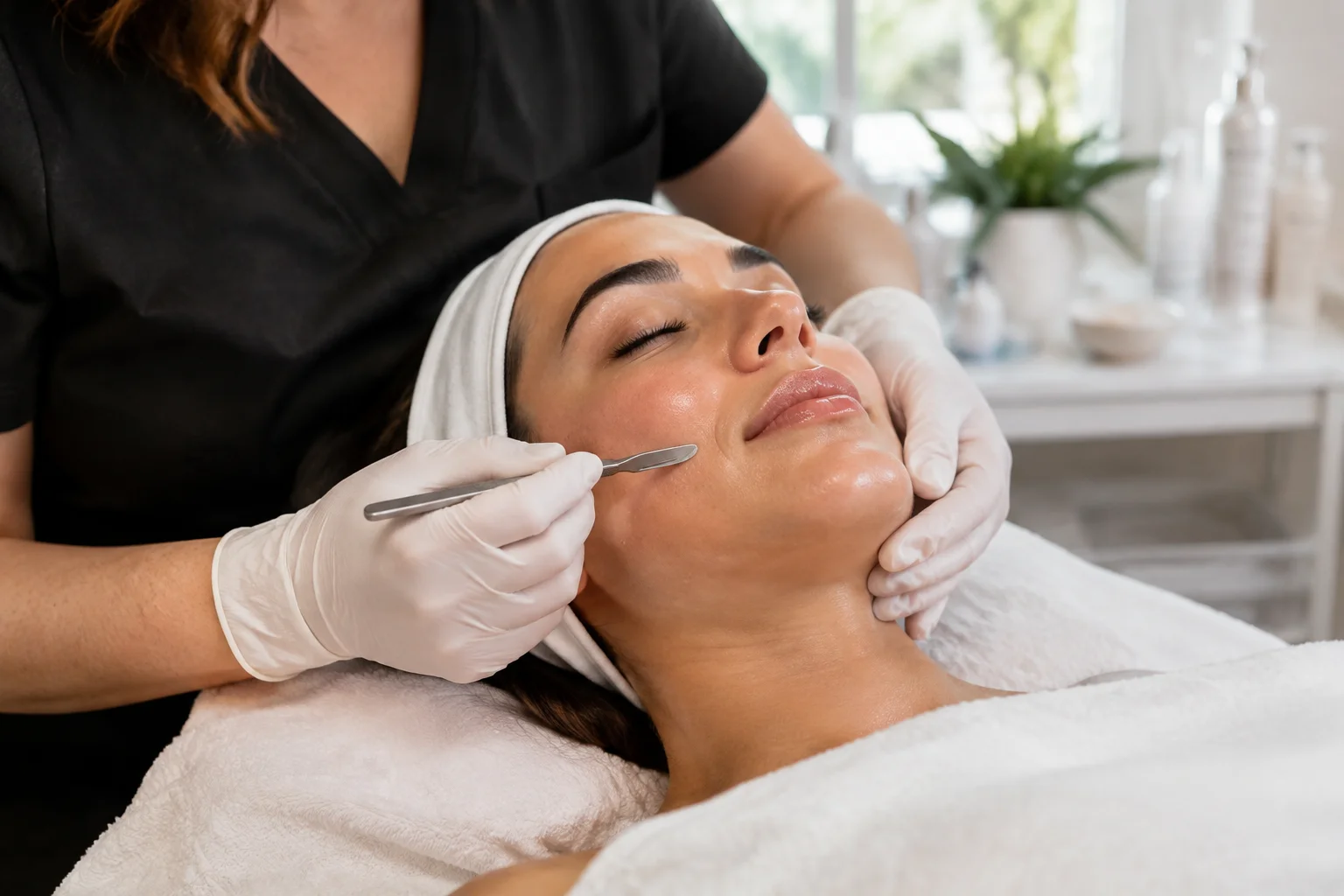
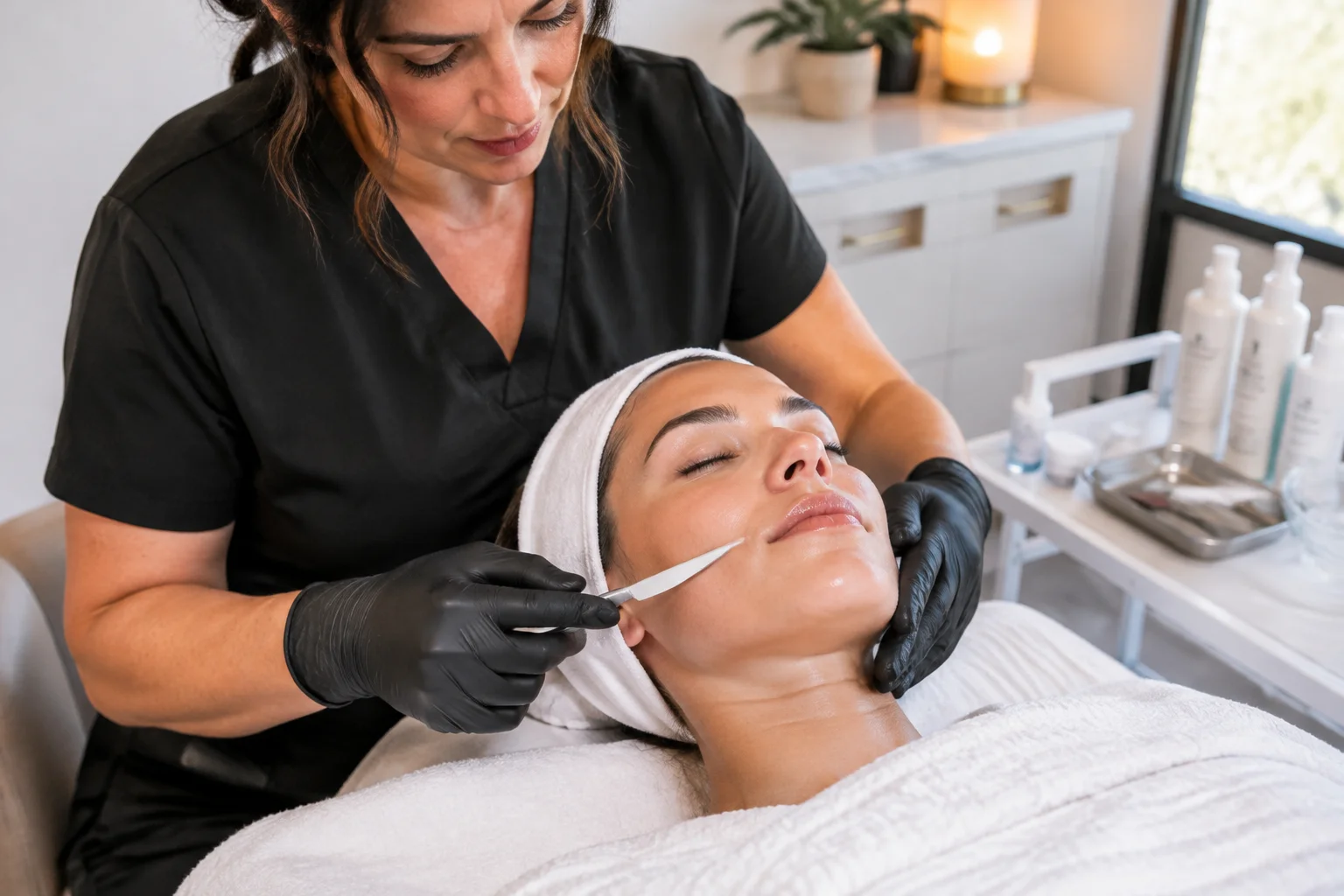
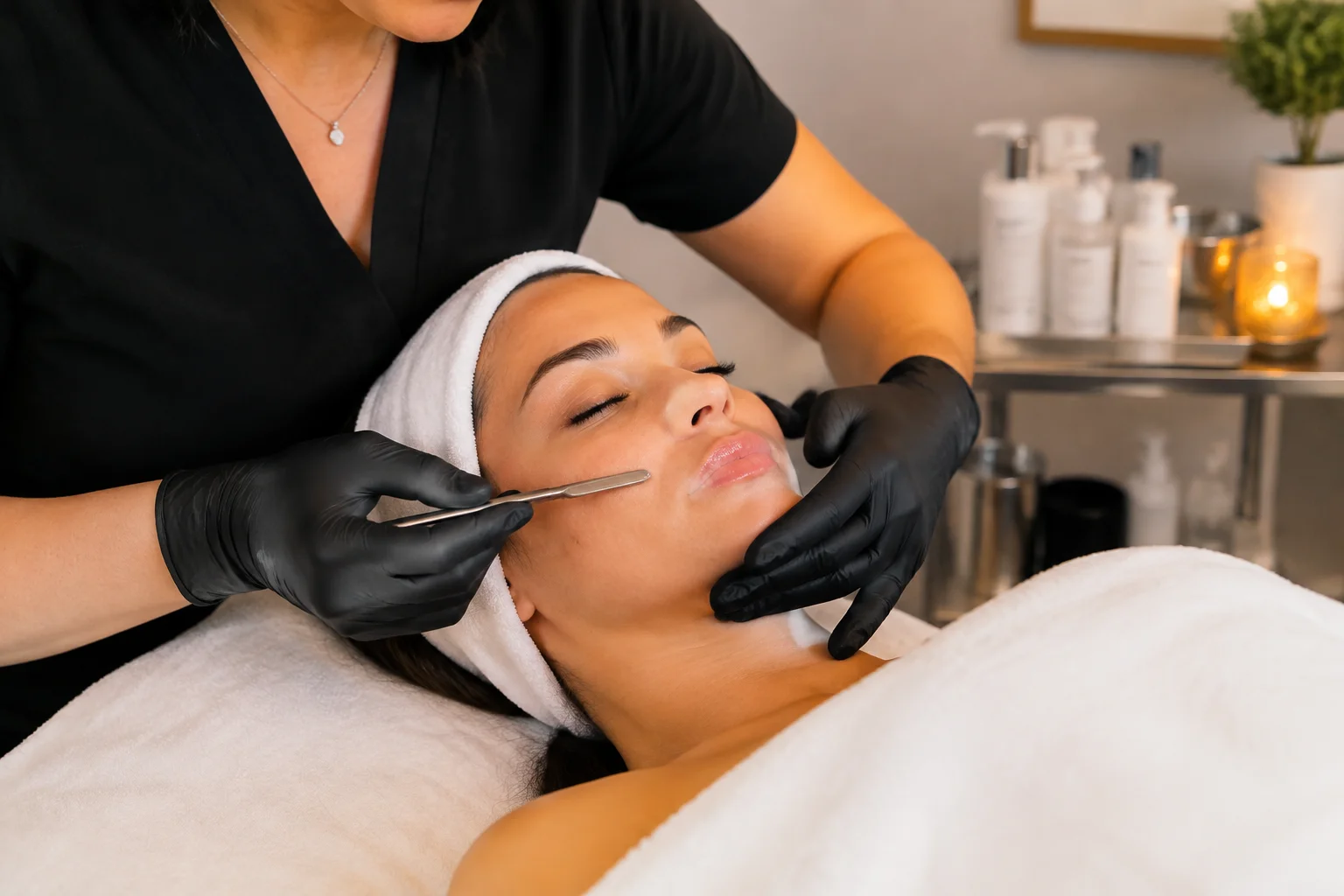
Dermaplaning is a form of physical exfoliation. An esthetician uses a specialized blade with controlled strokes across suitable areas of the face, removing fine vellus hair, commonly called peach fuzz, along with some dead cells from the outermost skin surface.
This is a surface treatment, not a deep resurfacing procedure. It does not remove acne scars, erase wrinkles, or permanently stop facial hair growth. Its main appeal is simpler: skin can feel smoother, look less dull, and provide a more even surface for skincare and makeup.
Why choose it as a facial add-on?
An add-on puts exfoliation within a broader appointment rather than treating it as an isolated step. Your esthetician can assess how your skin feels that day and consider dermaplaning alongside the facial's other steps. The combination should be selected for your skin, not built around doing as much exfoliation as possible.
The benefits you may notice first
A smoother feel and a softer-looking surface
Removing peach fuzz and surface buildup can make cheeks and other treated areas feel noticeably smoother. Some clients also see a fresher appearance because dry, uneven surface cells are no longer catching the light in the same way. Results vary with your starting texture and overall skin condition.
Easier makeup application
Foundation and tinted sunscreen may spread more evenly when fine hair and loose surface flakes are reduced. That can be useful if makeup tends to collect around your cheeks or jawline. Dermaplaning will not prevent every patch or crease, though. Formula choice, hydration, and application technique still matter.
A better surface for a simple routine
Removing surface buildup may help skincare spread more evenly and improve absorption of some products. However, more penetration is not always better, especially with strong active ingredients. Freshly exfoliated skin may be more sensitive, so the goal afterward is comfort and hydration, not immediately testing your strongest serum.
Why Tucson's climate changes the conversation
Living in Tucson often means balancing dry air, air conditioning, outdoor activities, and substantial sun exposure. Those conditions can contribute to tightness and visible flaking. Dermaplaning may address some surface roughness, but it does not replace the moisture and barrier support your skin needs.
There is an important difference between ordinary surface buildup and irritated, dehydrated skin. If your face stings when you apply moisturizer, feels unusually tight, or has persistent redness, exfoliation may not be the right next step. A gentler facial and a simpler home routine may be more useful first.
Your plans matter, too. A weekend of hiking, outdoor sports, or lounging by a pool can make aftercare harder. Choosing an appointment when you can limit direct sun and keep your routine gentle is more practical than fitting dermaplaning into an already demanding outdoor schedule.
Who may be a good candidate?
A Dermaplane Add-On may suit someone bothered by peach fuzz, mild surface dullness, or uneven-feeling texture. It can also appeal to people who want a smoother makeup base without changing their entire skincare routine. The decision should still follow an assessment of your current skin condition.
Active inflamed acne, open lesions, sunburn, an irritated rash, or an eczema or rosacea flare may make dermaplaning inappropriate. A blade should not pass over inflamed breakouts or compromised skin. Your esthetician may recommend postponing the add-on, avoiding certain areas, or choosing another approach.
Share any history of cold sores, unusual healing, recent procedures, prescription skincare, or medications that affect your skin. If you take isotretinoin or have recently stopped it, disclose that before treatment and seek guidance from your prescribing clinician. Sensitive skin deserves individual consideration rather than a blanket yes or no.
Preparing without overcomplicating things
Before your appointment, tell your esthetician about your current cleanser, moisturizer, exfoliants, retinoids, and acne treatments. Include at-home devices and any recent waxing, peel, laser treatment, or professional exfoliation. These details help prevent a combination that leaves your skin overly irritated.
Ask which products to pause and for how long. There is no single pause schedule that fits every formula or prescription. Do not stop a prescribed treatment without appropriate guidance. In general, avoid adding a new exfoliant or doing an aggressive scrub just before your visit.
Keep your skin protected from the sun and let the business know if you develop a sunburn, rash, or breakout before the appointment. Arrive ready to discuss your goals, whether that means softer texture, less visible fuzz, or easier makeup application. Specific goals make the consultation more useful.
How the appointment should feel
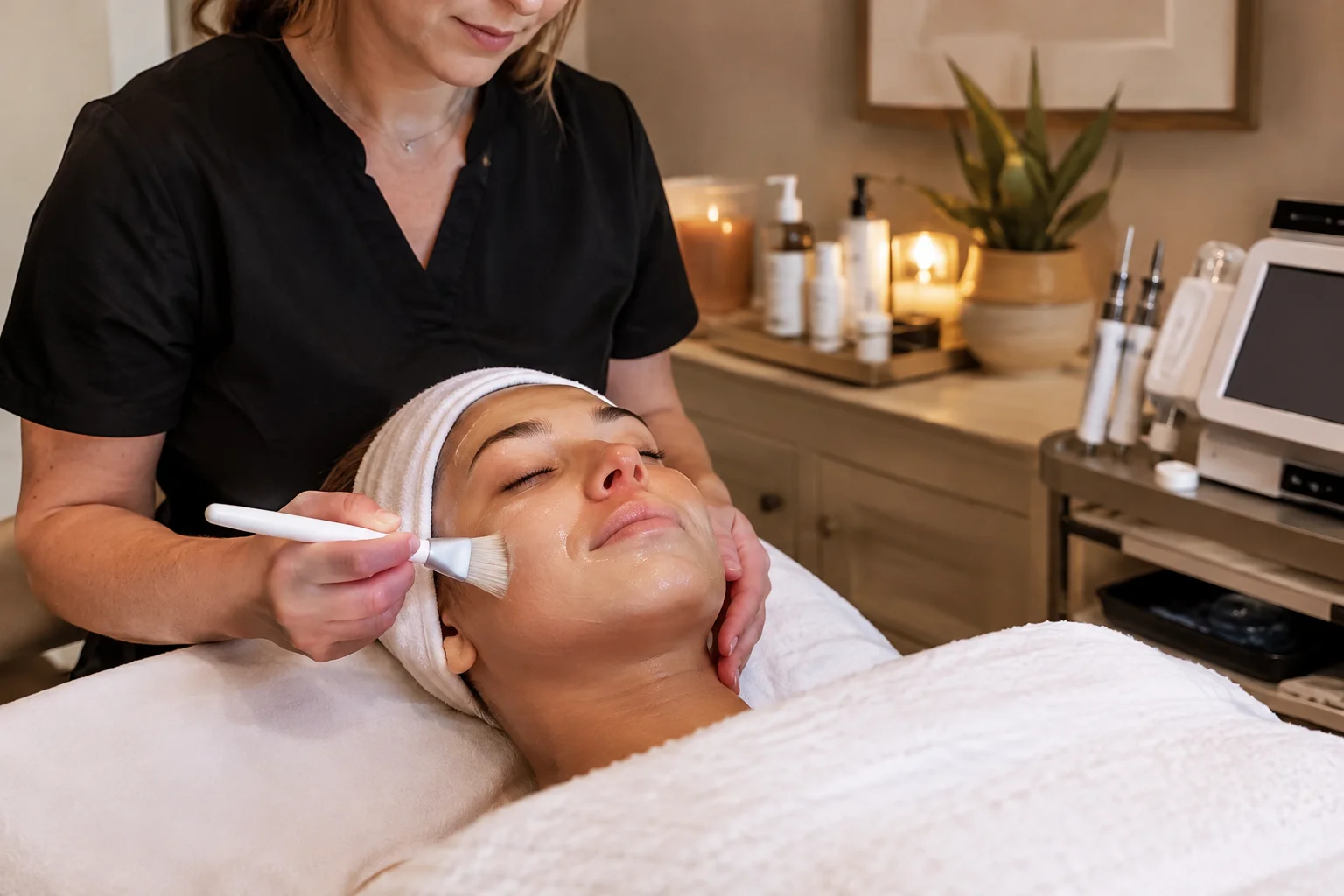
Your esthetician should first review your concerns and examine the skin being treated. After appropriate cleansing and preparation, dermaplaning is performed with light, controlled movements. You may notice a gentle scraping sensation. Sharp pain, significant burning, or uncomfortable tugging is a reason to speak up immediately.
The rest of the facial should account for the exfoliation your skin has already received. Depending on your needs, that may mean emphasizing calming and hydrating steps rather than adding more resurfacing. Ask how the add-on changes the facial before treatment begins.
Some temporary pinkness or sensitivity can occur. Small nicks are also possible, which is one reason technique and candidacy matter. Ask about the appointment's total length when booking, since adding dermaplaning can change the time needed for your chosen facial.
A realistic results timeline
The day of your appointment
The reduction in peach fuzz and the smoother feel are often noticeable right away. Your skin may also look temporarily pink. Avoid judging the full result while it is still settling, and do not assume an immediately smooth surface is ready for every makeup product or active serum.
The next few days
Follow your esthetician's aftercare instructions as your skin settles. Mild sensitivity should improve rather than intensify. If redness persists, discomfort increases, or you develop swelling, spreading warmth, or other concerning symptoms, contact the provider and seek medical advice when appropriate.
The following weeks
Fine hair gradually returns, and surface cells continue their normal renewal cycle. Dermaplaning does not change the follicle, so it does not make peach fuzz grow back thicker or darker. The smooth feeling is temporary, and its duration differs between clients.
Aftercare for desert air and sunny days
Keep the routine uncomplicated at first. A gentle cleanser and a comfortable moisturizer are often more useful than several treatment products. Avoid scrubs, exfoliating brushes, and strong acids until your esthetician says they are appropriate. Ask specifically when to restart retinoids and other active ingredients.
Use broad-spectrum sunscreen with SPF 30 or higher and reapply according to the label, especially outdoors. A hat and shade add protection that sunscreen alone cannot provide. This is everyday Tucson skincare advice, but it deserves extra attention when your skin is freshly exfoliated.
Ask how long to wait before applying makeup, swimming, exercising intensely, or using a sauna. Heat, sweat, friction, and fragranced products may bother sensitive skin after treatment. Avoid picking at any flakes. If your skin feels dry, support it with suitable moisturizer rather than another round of exfoliation.
Where dermaplaning fits among other services
If breakouts are the main concern
When inflamed acne is your priority, a treatment focused on that concern may be more appropriate than removing peach fuzz. Explore the Acne Customized Facial and discuss whether dermaplaning should be postponed. Smoother texture is not a substitute for an acne care plan.
If discoloration is the main concern
Dermaplaning may improve surface brightness, but it is not a targeted treatment for persistent pigment. The 5 Berry Pigment Peel is a separate option to discuss with your esthetician. Do not assume a peel and dermaplaning should happen together; suitability and spacing depend on your skin and the treatment protocols.
If facial hair removal is the priority
Dermaplaning cuts fine hair at the skin's surface, while waxing removes hair from the root. A Full Face Wax serves a different purpose and has its own preparation and aftercare considerations. Discuss which approach suits your hair type and sensitivity rather than scheduling both on the same areas close together.
Maintenance should follow your skin, not a deadline
Many people consider professional dermaplaning about every four to six weeks, but that is a general reference, not a requirement. Your esthetician may recommend a longer interval based on sensitivity, other treatments, or how your skin responds. There is no need to repeat it as soon as a little fuzz returns.
Between appointments, consistent moisturizing and sun protection do more for long-term comfort than chasing constant exfoliation. If your home routine includes acids or retinoids, factor those into the maintenance plan. More exfoliation is not automatically more effective, especially when desert dryness is already challenging your skin barrier.
For another look at everyday upkeep, read A Smoother Routine: The Appeal of Dermaplane Add-Ons in Tucson. The useful question is not how often you can exfoliate, but how often your skin benefits from it.
Making your Tucson facial more personal
Two people can request the same add-on and need different plans. One may have comfortable skin and want less peach fuzz. Another may have a compromised barrier, recent sun exposure, or several active products at home. Personalized care accounts for those differences before the blade touches your skin.
If you are considering a Dermaplane Add-On in Tucson, ask Heather's Luminous Esthetics how it fits your chosen facial and current routine. You can also read how dermaplaning can complement a personalized facial. Bring your product list, upcoming outdoor plans, and honest goals so the appointment supports your skin rather than simply adding another step.
Book Dermaplane Add-On in Tucson, AZ
If you are looking for Dermaplane Add-On in Tucson, AZ, visit our service page or contact us to schedule your appointment.
Serving Clients in Tucson, AZ
Heather's Luminous Esthetics proudly serves clients throughout Tucson, AZ.
Frequently Asked Questions
Will a Dermaplane Add-On make my peach fuzz grow back thicker?
How often should I schedule dermaplaning in Tucson?
Can I add dermaplaning to a facial if I have acne or sensitive skin?
Related Articles
Article Gallery